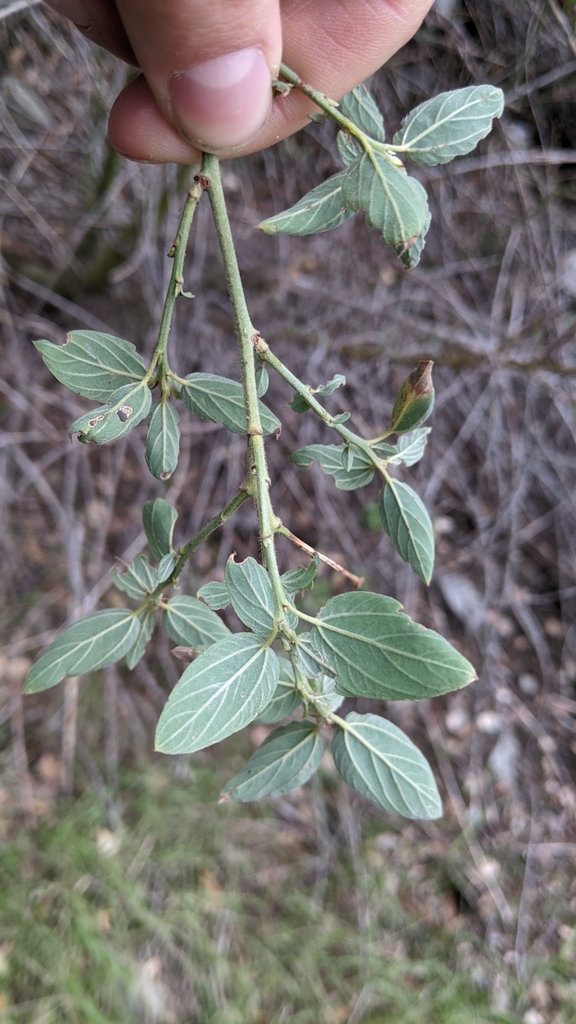
Ceanothus integerrimus
- Origin
- North America
- Part used
- Seeds/fruits
- Tradition
- Traditional ethnobotany
Beneath the wooded hills of the Pacific coast, Ceanothus integerrimus — which Native American tribes sometimes called "soap bush" or "mountain root" — featured in traditional remedies tied to lymphatic circulation. The roots and seeds of this shrub were long part of local pharmacopoeias, particularly among the Indigenous peoples of California and Oregon.
Traditional uses
Traditional support for the lymphatic system
Ceanothus root was traditionally used in North America to help with lymphatic drainage, often for swollen glands or lymph nodes, according to reported Native American uses.
An old use for throat ailments
Certain tribes used a root decoction to soothe sore throats and inflammation of the upper airways.
An external application on the skin
The seeds and other parts of the plant, ground to a powder or made into a poultice, were sometimes applied to the skin for their traditionally astringent properties.
A traditional digestive tea
A light infusion of the seeds or fruits was occasionally drunk to aid digestion, according to loosely formalized regional folk uses.
Before you use it
This plant is not intended for everyday or dietary use; its traditional documentation remains limited and should be approached with caution. Do not use without the advice of a health professional, particularly during pregnancy, breastfeeding, or ongoing medication (Ceanothus compounds can interact with anticoagulants). Avoid prolonged or highly concentrated self-preparation, as safety data are insufficiently established. Reserved for occasional, supervised use; not suitable for children.
The detailed notebook
- Prepared as a paste or decoction
- Traditional duration of use
- Known contraindications
- Related species and their uses
Where to find it
Partner herbalists — available with the detailed notebook.
Sources
PFAF, Wikipedia