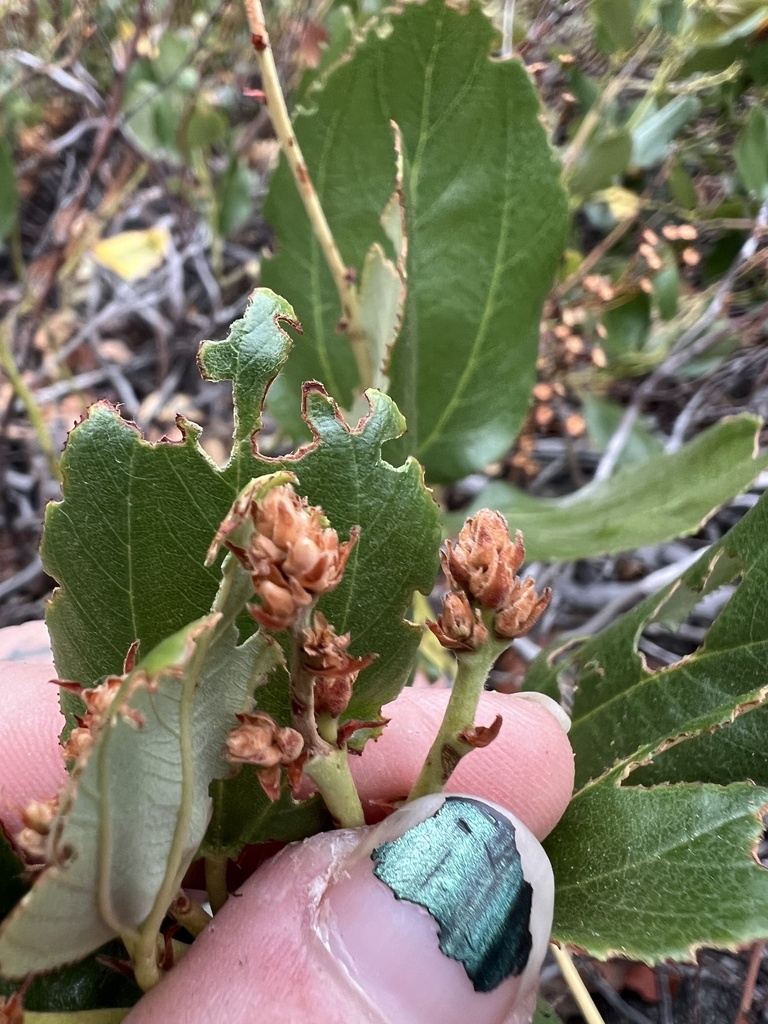
Ceanothus velutinus
- Origin
- North America
- Part used
- See detailed notebook
- Tradition
- Traditional ethnobotany
A fragrant shrub of the mountains of the American West, Ceanothus velutinus, sometimes called "mountain tea" or "California tea," featured in the everyday and ceremonial uses of Indigenous peoples. Its glossy, fragrant leaves, like its roots, held a quiet but steady place in the traditional pharmacopoeia of Pacific Northwest tribes.
Traditional uses
Care for wounds and irritation
The crushed leaves, or as a poultice, were traditionally applied to wounds, cuts, and skin irritation by several Native American nations.
Support for the lymphatic system
The root bark was used as a decoction in certain North American herbalist traditions to help with lymphatic drainage, a use later popularized by nineteenth- and twentieth-century herbalists.
An infusion for the airways
The dried leaves, brewed like a tea, were traditionally drunk to soothe the throat and help with mild respiratory ailments.
An everyday tonic drink
Apart from any medicinal use, the leaves of Ceanothus velutinus also served as a tea substitute valued for its aroma, particularly among settlers and trappers.
Before you use it
Use of the root bark should be reserved for a setting supervised by an herbal medicine professional, as traditional documentation of safe dosing remains limited. Discouraged for pregnant or breastfeeding women for lack of safety data. Do not use for prolonged internal use without the advice of a health professional, particularly if undergoing treatment (interactions not ruled out). Reserved for adult use; avoid in children for lack of sufficient data.
The detailed notebook
- Prepared as a paste or decoction
- Traditional duration of use
- Known contraindications
- Related species and their uses
Where to find it
Partner herbalists — available with the detailed notebook.
Sources
PFAF