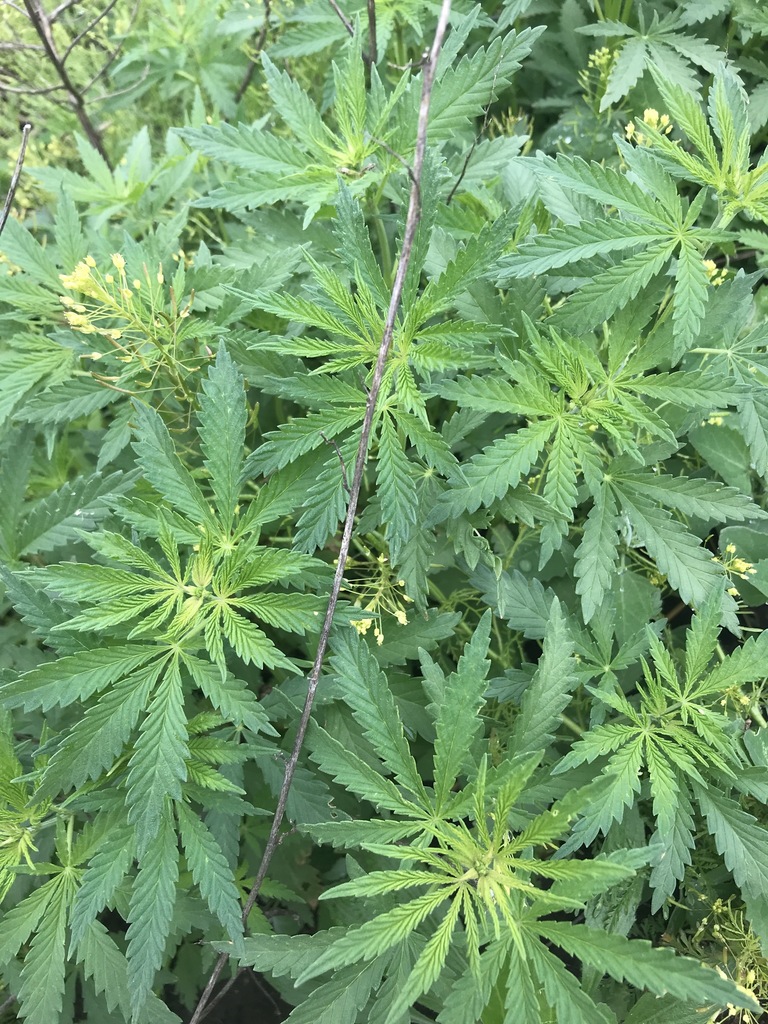
Hemp
- Origin
- Asia
- Part used
- See detailed notebook
- Tradition
- Traditional ethnobotany
Native to the steppes of Central Asia, cultivated hemp has accompanied humanity for thousands of years, both for its fibers and for its seeds and resin. Old herbalists recognized soothing virtues in it and used it with a mixture of respect and caution, aware of its potency. Today regulated by law depending on variety and use, it remains a plant steeped in history.
Traditional uses
Relief of joint pain
Poultices and ointments made from hemp leaves or resin were traditionally applied to painful joints and inflamed areas.
Traditional aid for relaxation
In several Asian and Middle Eastern traditions, small amounts of hemp were used to promote relaxation and ease falling asleep.
Seeds for intestinal comfort
Hemp seeds, rich in oil, were traditionally consumed for their gentle effect on transit and as a nourishing food.
Care for irritated skin
Hemp seed oil was applied externally to nourish and soothe dry or irritated skin.
What to know before use
A regulated plant: the cultivation, possession, and use of parts rich in psychoactive compounds are strictly regulated by French law and vary depending on the variety and THC content. Formally not recommended during pregnancy and breastfeeding, as well as in children and adolescents. It may interact with many medications (sedatives, anticoagulants, etc.) and carries a risk of dependence or cognitive impairment in cases of inappropriate use. Any use other than that of the food-grade seeds and oil must be discussed with a health professional.
The detailed notebook
- Prepared as a paste or decoction
- Traditional duration of use
- Known contraindications
- Related species and their uses
Where to find it
Partner herbalists — available with the detailed notebook.
Sources
PFAF, Wikipedia