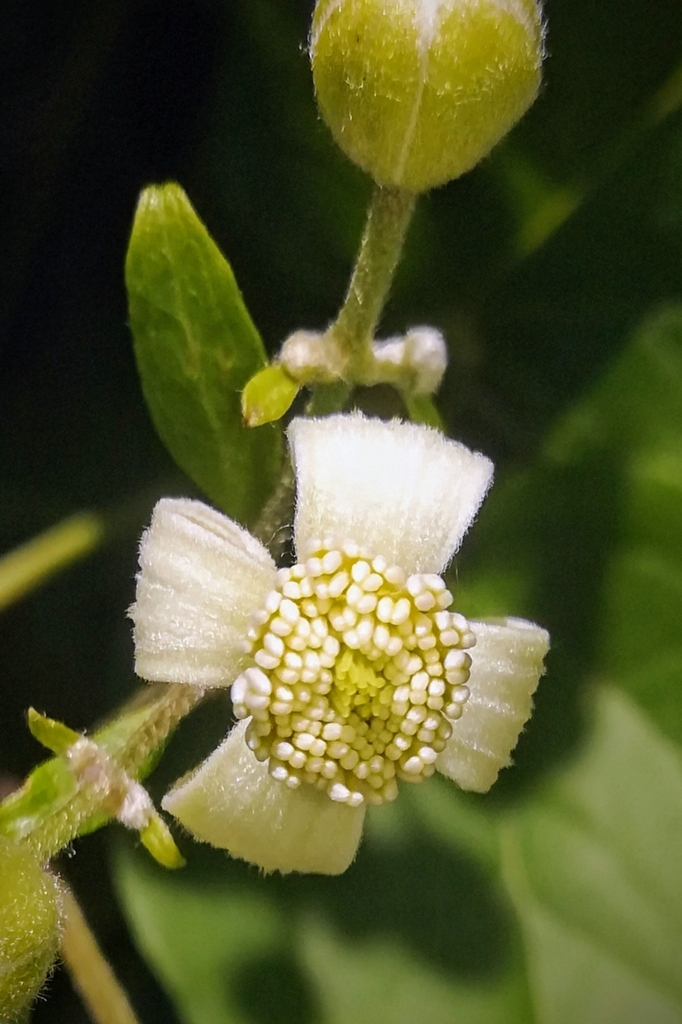
Clematis vitalba
- Origin
- Europe
- Part used
- See detailed notebook
- Tradition
- Traditional ethnobotany
Old man's beard, which the ancients sometimes called ‘beggar's herb’ for its use, twisted to a dishonest end, in provoking fake sores, adorns European hedgerows and embankments with its woody vines and feathery seed heads. An unusual climbing plant, it holds a place apart in the herbal records, cited more often for its old external uses than for everyday consumption.
Traditional uses
Traditional blistering use
The sap and fresh leaves, reputed to be irritating to the skin, were traditionally applied by certain beggars to produce fake sores and elicit pity. This historical use illustrates, above all, the well-known causticity of the fresh plant, rather than a remedy in the proper sense.
Old counter-irritant rubs
In certain rural areas, preparations made from the fresh stem are reported to have been lightly rubbed onto painful areas, following a logic of skin counter-irritation meant to draw attention away from deeper pain.
An old use in folk veterinary medicine
Old man's beard appears in a few collections of folk remedies intended for livestock, always used externally and in very small amounts, reflecting a rural tradition more than everyday human use.
A useful rural vine
Beyond any remedy, its long, supple stems were traditionally woven to bind bundles of firewood or make rustic ties, a use that reflects its familiar presence in the rural life of old.
Before you use it
The fresh plant is blistering and irritating: prolonged contact with the skin or mucous membranes can cause redness, blisters, and burns; strictly avoid with children. Ingestion is not advised, as the fresh plant is considered toxic to the digestive tract; no reliable traditional internal use is documented. This plant should never be used without the advice of a qualified professional, given its toxicity and the lack of documentation on safe uses. Not advised under any circumstances during pregnancy or breastfeeding, nor for people with sensitive skin.
The detailed notebook
- Prepared as a paste or decoction
- Traditional duration of use
- Known contraindications
- Related species and their uses
Where to find it
Partner herbalists — available with the detailed notebook.
Sources
PFAF, Wikipedia