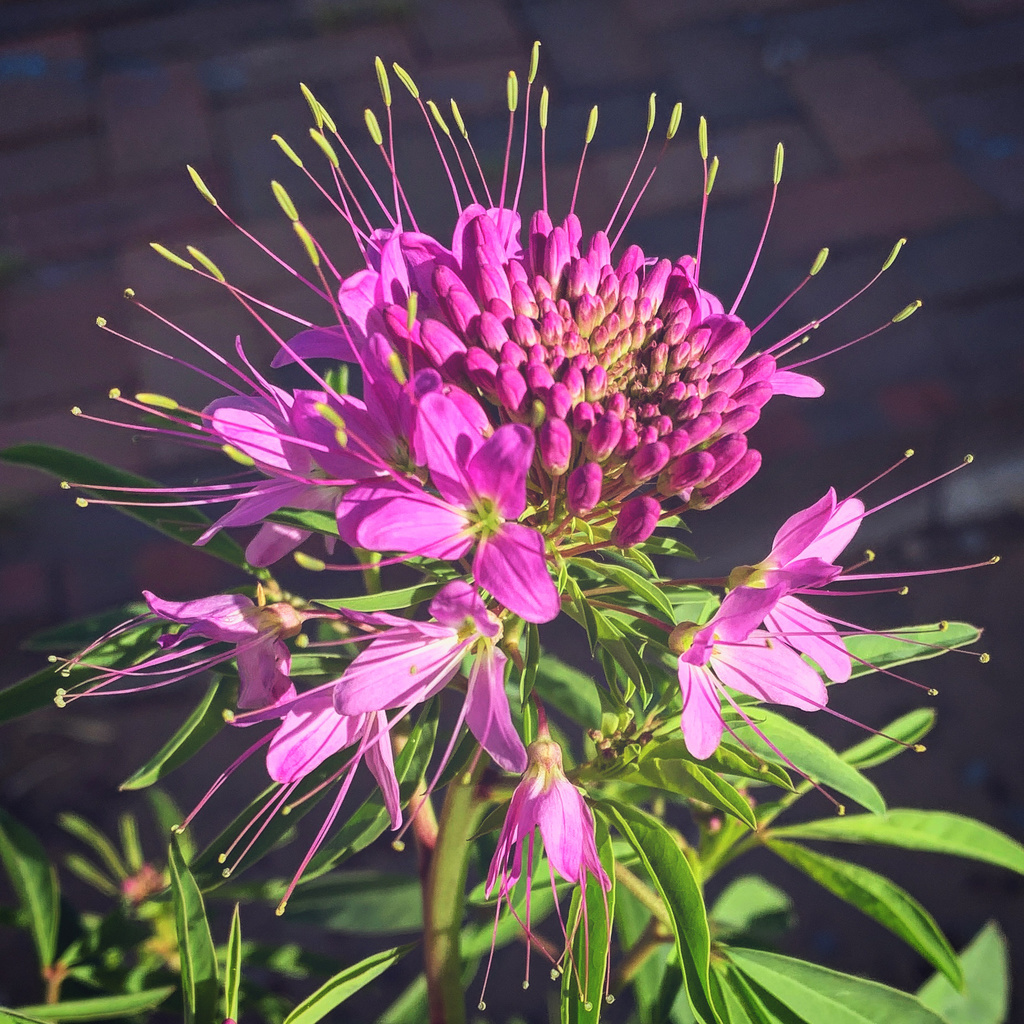
Cleomella serrulata
- Origin
- North America
- Part used
- Seeds/fruits
- Tradition
- Traditional ethnobotany
Little known outside its native range, Cleomella serrulata grows in the great plains and deserts of North America, where certain Native American peoples gathered its seeds for a modest traditional use. This quiet plant, a cousin of the cleomes, holds a minor but real place in the ethnobotanical notebooks of this continent.
Traditional uses
Traditional digestive support
The seeds were sometimes used in preparations to help with mild digestive trouble, according to certain uses reported by the peoples of the great plains.
Traditional pain relief
A seed-based preparation was reportedly used locally to relieve certain pain and inflammation, within a folk, non-standardized use.
A traditional use on the skin
Some ethnobotanical sources mention an external use of the crushed seeds for occasional skin care, without in-depth documentation of the exact methods.
Before you use it
A traditional use poorly documented scientifically: caution is warranted and the advice of a health professional is recommended before any use. Avoid in pregnant or breastfeeding women, for lack of sufficient safety data. Do not give to children without specialized advice. Do not exceed occasional, traditional uses; no reliable data exist on the effects of prolonged use.
The detailed notebook
- Prepared as a paste or decoction
- Traditional duration of use
- Known contraindications
- Related species and their uses
Where to find it
Partner herbalists — available with the detailed notebook.
Sources
PFAF, Wikipedia