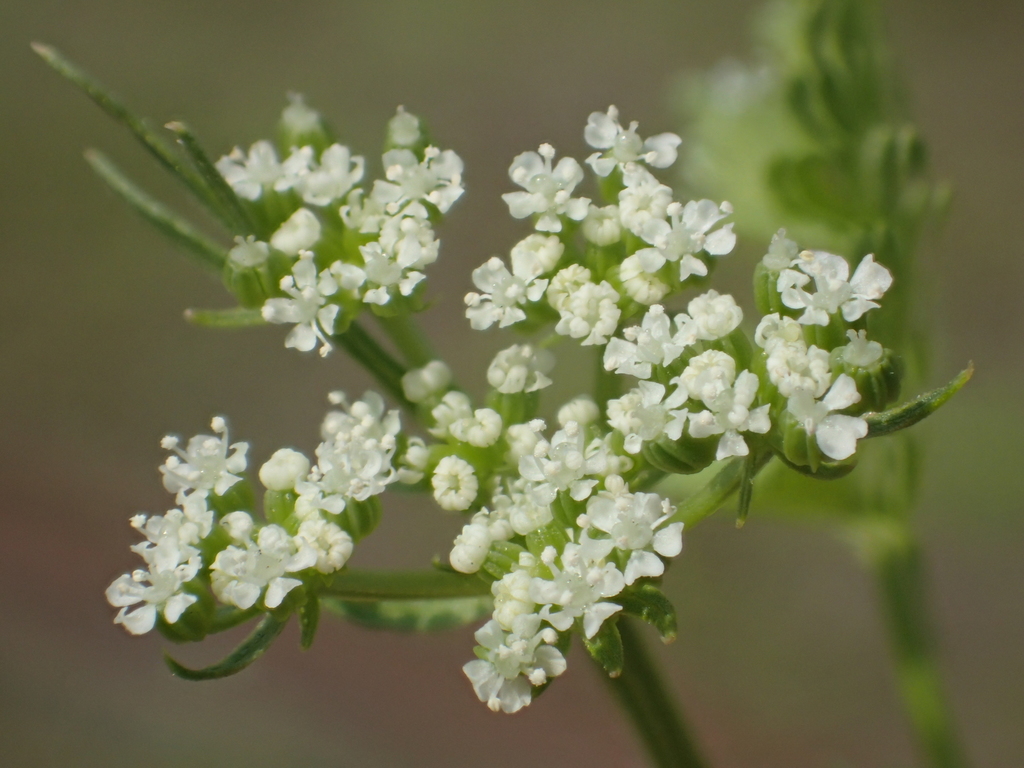
Cnidium
- Origin
- Europe
- Part used
- See detailed notebook
- Tradition
- Traditional ethnobotany
Cnidium (Cnidium monnieri, sometimes confused, depending on the region, with other umbellifers) is a plant of the old pharmacopeias, mentioned in European treatises as well as in traditional Chinese medicine, where its dried fruits were held in high regard. Old-time herbalists were especially interested in its small seeds, harvested at maturity and kept for the winter.
Traditional uses
Traditional support for women's comfort
Cnidium fruits were traditionally used to support women's cycles and vitality, particularly in ancient Chinese pharmacopeia.
External use for the skin
Applied locally, a decoction of Cnidium fruits was reputed to soothe certain skin irritations and itching in old folk uses.
Traditional joint support
The plant was among the remedies used to help with joint discomfort linked to cold and damp, according to tradition.
A traditional tonic for men
In certain traditions, the seeds were considered a support for male vigor, a use that is today purely historical.
Before you use it
Not advised during pregnancy and breastfeeding, due to properties traditionally considered emmenagogue. Do not use in children without the advice of a qualified healthcare professional. Possible interactions with hormonal or anticoagulant treatments; seek advice before any use. Internal use should be reserved for guidance by an experienced herbalist or practitioner, as the plant is poorly documented in modern Western pharmacopeia.
The detailed notebook
- Prepared as a paste or decoction
- Traditional duration of use
- Known contraindications
- Related species and their uses
Where to find it
Partner herbalists — available with the detailed notebook.
Sources
PFAF