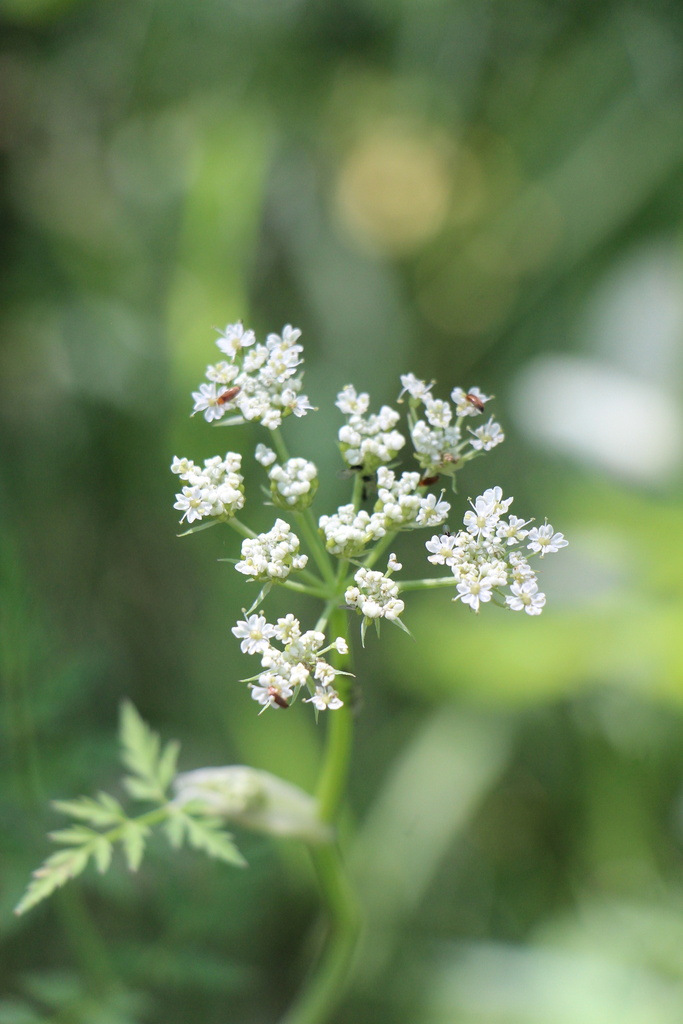
Conioselinum scopulorum
- Origin
- North America
- Part used
- See detailed notebook
- Tradition
- Traditional ethnobotany
A quiet inhabitant of the high rocky elevations of the American West, Conioselinum scopulorum belongs to the vast carrot family, one that counts so many cousins both poisonous and useful. The Indigenous peoples of mountainous regions knew its close relatives, but this particular species remains poorly documented in written sources, which calls for particular caution.
Traditional uses
A traditional use mentioned for the airways
Like several aromatic mountain carrot-family plants, the root was reportedly used empirically by certain local communities to ease respiratory ailments, though this use is not widely recorded in the ethnobotanical literature.
Aromatic root and digestion
The root's strong aroma, common to members of this genus, may have led to an occasional traditional use as a digestive plant, in the manner of other carrot-family roots of cold regions.
A plant tied to local practices
Certain carrot-family plants of the high rocky uplands, including this genus, were reportedly burned or carried during local traditional practices, though precise accounts of this particular species remain rare and fragmentary.
Before you use it
The carrot family includes deadly toxic species (poison hemlock, water hemlock) easily confused with Conioselinum scopulorum: never harvest without absolute botanical certainty, ideally confirmed by a specialist. The traditional uses reported for this particular species are poorly documented; as a precaution, do not consume it without the advice of a health professional or an experienced herbalist. Avoid any use in pregnant or breastfeeding women, in children, and if undergoing medication, for lack of sufficient safety data. Do not expose yourself to the sun right after prolonged handling of the fresh plant, as certain carrot-family plants cause photosensitizing skin reactions.
The detailed notebook
- Prepared as a paste or decoction
- Traditional duration of use
- Known contraindications
- Related species and their uses
Where to find it
Partner herbalists — available with the detailed notebook.
Sources
PFAF