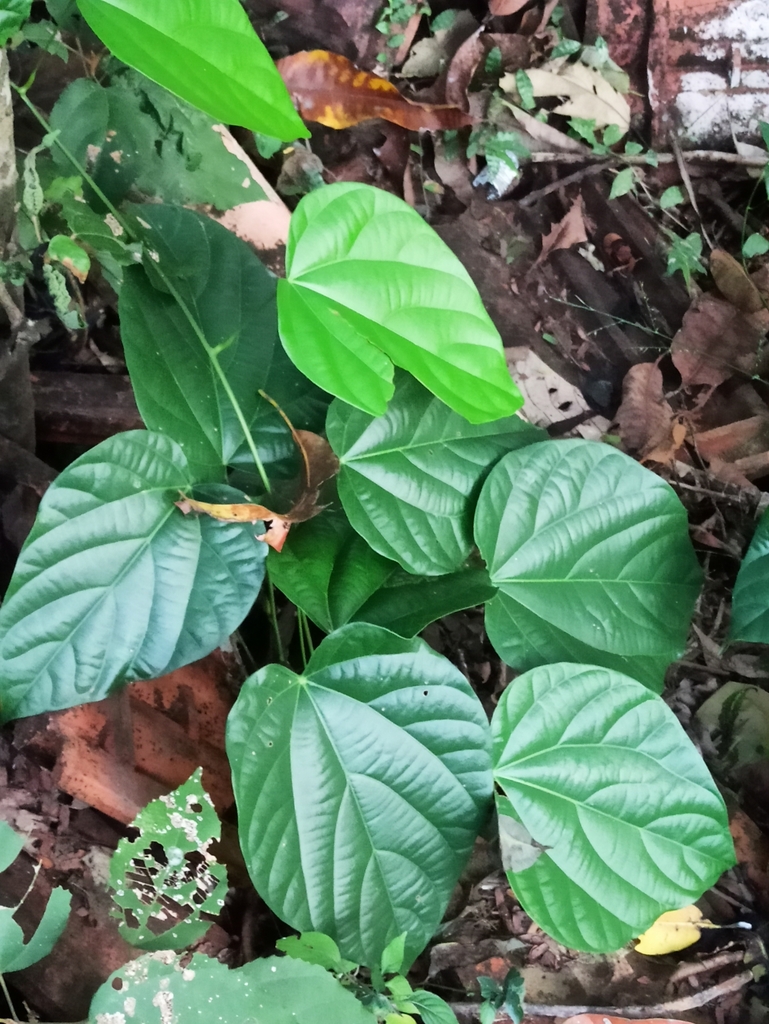
Fish Berry
- Origin
- Asia
- Part used
- See detailed notebook
- Tradition
- Traditional ethnobotany
Native to the tropical forests of South and Southeast Asia, the fish berry is the fruit of a climbing vine long feared and respected in folk traditions. Its French name evokes the ancient trade routes that carried it as far as the ports of the Levant, but its true use belongs to the knowledge of India and the Malay Archipelago, where it was handled with extreme caution, more as a utilitarian poison than as a remedy.
Traditional uses
External antiparasitic treatment for livestock
In South Asia, fish berry powder was traditionally used to prepare lotions intended to combat lice and external parasites in farm animals.
An ichthyotoxic substance for fishing
In certain coastal regions of Asia, the crushed fruit was thrown into the water to stun fish, an old practice now abandoned due to its toxicity and ecological impact.
A presence in old folk pharmacopeia
The plant appears in old treatises of Asian materia medica as a substance to be handled with great restraint, sometimes mentioned for purposes of purification or the warding off of household pests.
An old use in adulterating beer
In 19th-century Europe, fish berry was misused to artificially bitter and strengthen certain beers, a use that contributed to its strict regulation and poor reputation.
What to know before use
A highly toxic plant containing picrotoxin, a powerful neurotoxin that can cause convulsions and respiratory arrest even at a low dose. No traditional internal use is recommended or should be reproduced without strict medical supervision; the margin between an active dose and a lethal dose is extremely narrow. Strictly forbidden for pregnant or breastfeeding women, children, and anyone not trained in its handling. The sale and use of this plant are regulated in many countries; its possession and use must always take place within a legal and professional framework.
The detailed notebook
- Prepared as a paste or decoction
- Traditional duration of use
- Known contraindications
- Related species and their uses
Where to find it
Partner herbalists — available with the detailed notebook.
Sources
PFAF