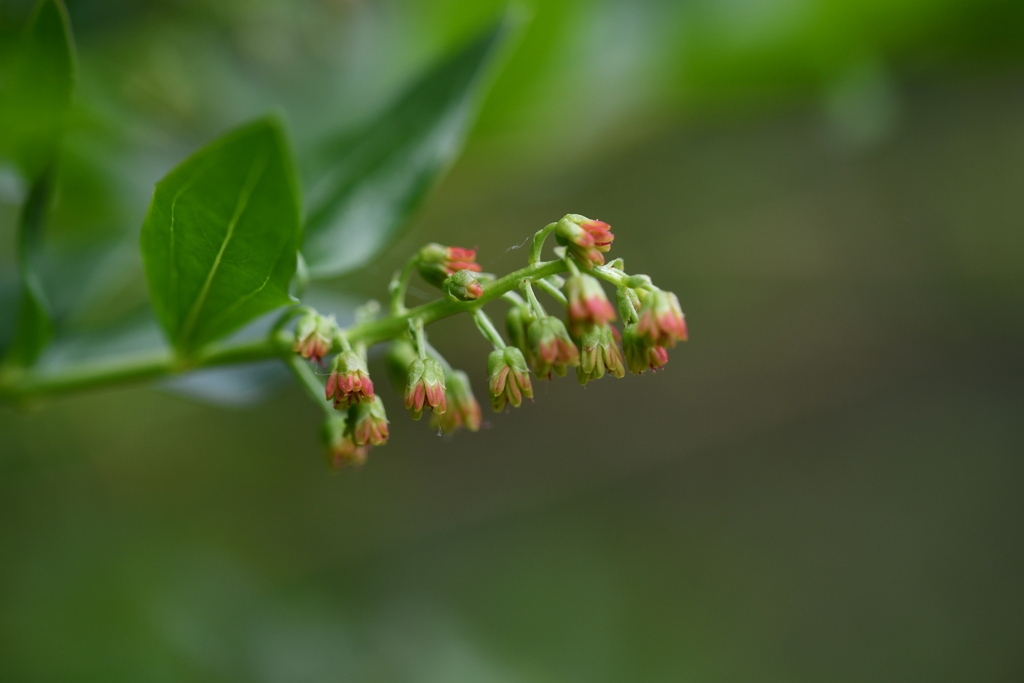
Coriaria myrtifolia
- Origin
- Europe
- Part used
- See detailed notebook
- Tradition
- Traditional ethnobotany
In the scrublands and embankments around the Mediterranean, Coriaria myrtifolia, also called redoul or tanner's sumac, long served tanners and dyers rather than herbalists. Its dark foliage, reminiscent of myrtle, conceals an old and feared reputation as a toxic plant, long known in the countryside for its dangerous berries, particularly when mistaken for edible fruit.
Traditional uses
Tannin for leather
The leaves, rich in tannins, were traditionally used by tanners for tanning hides, hence the plant's common name, 'tanner's sumac.'
A natural dye for fabrics
The foliage and young branches were used locally to dye wool and fabric, yielding dark shades prized in certain Mediterranean regions.
A repellent against parasites
In certain rural areas, an empirical use of the crushed foliage is reported to try to keep vermin away from livestock, though this practice is not recommended today.
A plant feared in the countryside
Historically, redoul is mostly mentioned in treatises on plant toxicology and accounts of accidental poisonings, particularly linked to its fruit being mistaken for blueberries or blackberries.
Before you use it
The whole plant is toxic, particularly the berries and seeds, which can cause serious poisoning, including in children. Never confuse redoul's black fruit with edible berries when foraging in the wild. Internal use is strongly discouraged without the supervision of a healthcare professional qualified in plant toxicology. Keep the plant out of reach of children and pets, particularly when it is fruiting.
The detailed notebook
- Prepared as a paste or decoction
- Traditional duration of use
- Known contraindications
- Related species and their uses
Where to find it
Partner herbalists — available with the detailed notebook.
Sources
PFAF