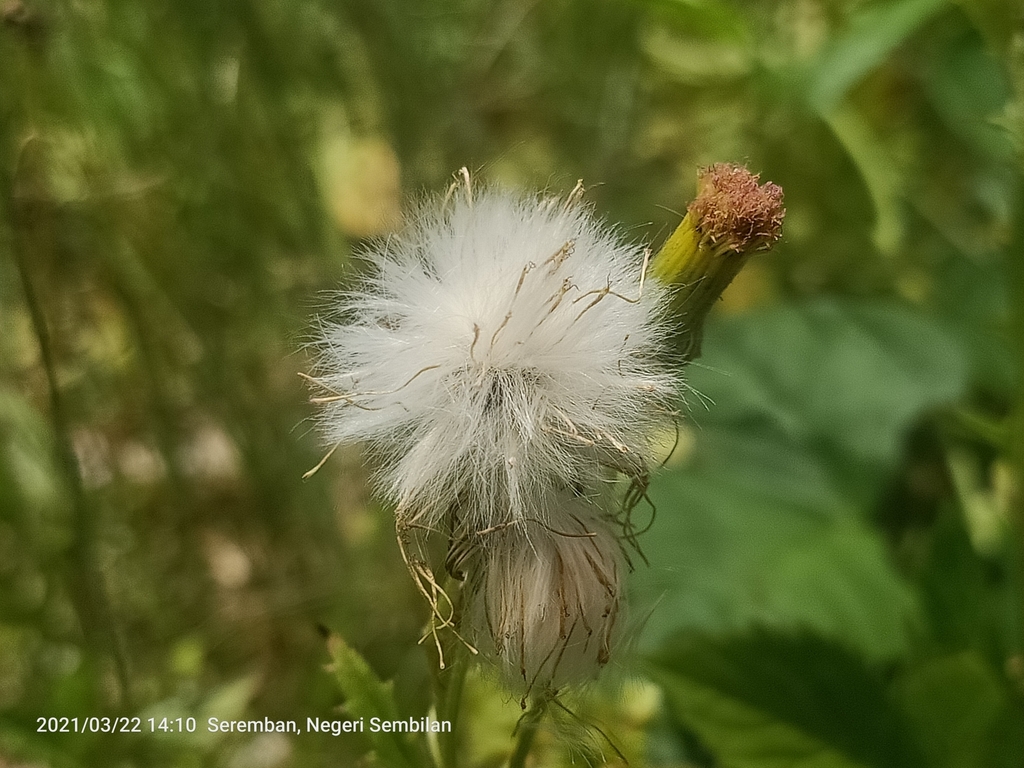
Crassocephalum
- Origin
- Africa
- Part used
- Leaves
- Tradition
- Traditional ethnobotany
In home gardens and savanna margins across Africa, Crassocephalum has long been gathered as both a nourishing and curative plant. Its tender leaves, often eaten as a vegetable, also held a discreet place in traditional healers' practices for easing stomach ailments and bodily pain. A knowledge passed down orally, from generation to generation, more than through books.
Traditional uses
Easing mild digestive troubles
The leaves were traditionally eaten or infused to calm stomach aches, bloating, and aid digestion after meals.
Relieving pain and inflammation
In traditional use, the plant was employed to ease joint or muscle pain as well as mild inflammation, often applied locally.
Nourishing leaf vegetable
Eaten cooked as a green vegetable in many African cuisines, Crassocephalum leaves were also valued for their nutritional contribution to the daily diet.
Traditional care of minor wounds
The fresh leaves, crushed into a poultice, were sometimes applied to the skin to help heal minor wounds or irritations.
What to know before use
Do not exceed moderate, occasional use; prolonged medicinal use is not sufficiently documented. Not recommended for pregnant or breastfeeding women in the absence of sufficient data. Consult a health professional before any medicinal use, particularly in case of ongoing treatment. Carefully verify botanical identification, as certain related species may have different profiles.
The detailed notebook
- Prepared as a paste or decoction
- Traditional duration of use
- Known contraindications
- Related species and their uses
Where to find it
Partner herbalists — available with the detailed notebook.
Sources
PFAF