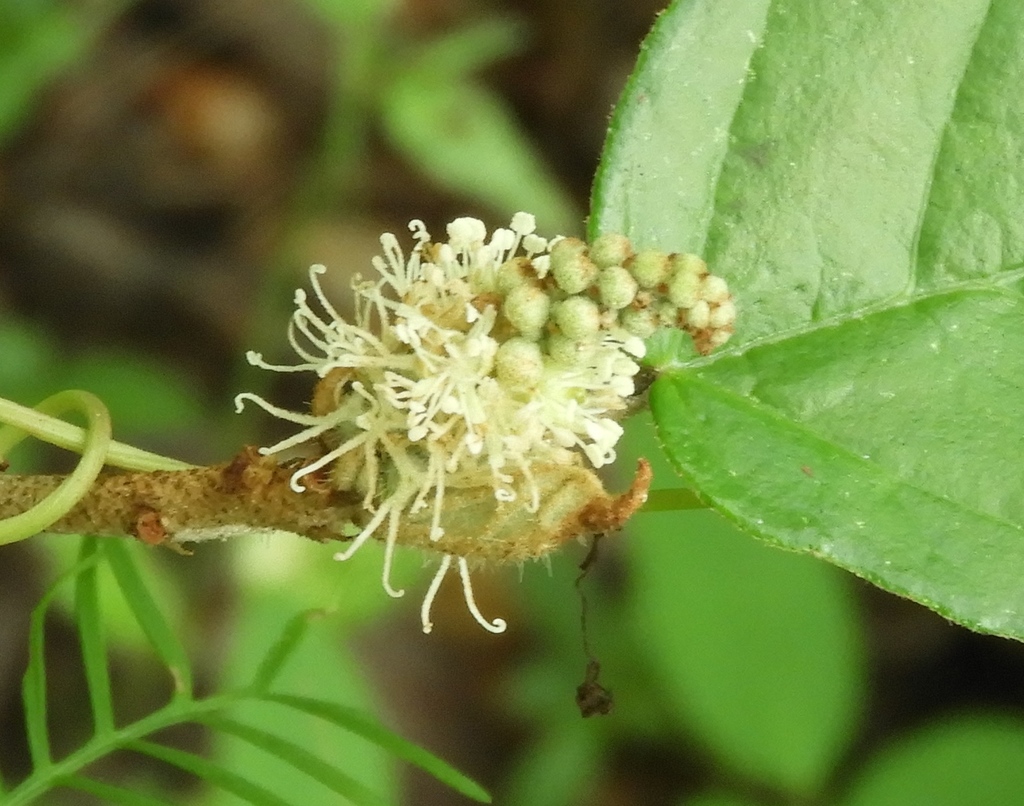
Croton cortesianus
- Origin
- North America
- Part used
- See detailed notebook
- Tradition
- Traditional ethnobotany
In the arid lands of North America and Mexico, Croton cortesianus long featured in local herbalism, particularly for respiratory ailments. Traditional healers of desert and semi-desert areas used its leaves and bark as decoctions and fumigations, passing this knowledge down from generation to generation. This plant remains little studied by modern science today, which calls for particular caution in its use.
Traditional uses
Traditional support for coughing
The leaves were traditionally prepared as decoctions to help with coughing episodes and congested airways.
Fumigations to clear the bronchi
Certain communities inhaled the smoke of the dried plant, a practice reported in the folk uses of northern Mexico.
A soothing external application
The crushed bark and leaves were sometimes applied locally as a poultice to irritated skin, according to regional folk uses.
An occasional use for digestive discomfort
A light decoction was occasionally used by local traditional practitioners to relieve passing digestive trouble.
Before you use it
The genus Croton includes many species containing irritating or toxic compounds; internal use should remain exceptional and supervised by a qualified professional. Absolutely avoid in pregnant or breastfeeding women, as well as young children, because of the lack of safety data. Do not exceed small amounts and short durations of use, as prolonged use is not documented as safe. If in doubt, undergoing medication, or in a fragile state of health, consult a health professional before any use.
The detailed notebook
- Prepared as a paste or decoction
- Traditional duration of use
- Known contraindications
- Related species and their uses
Where to find it
Partner herbalists — available with the detailed notebook.
Sources
PFAF, Wikipedia