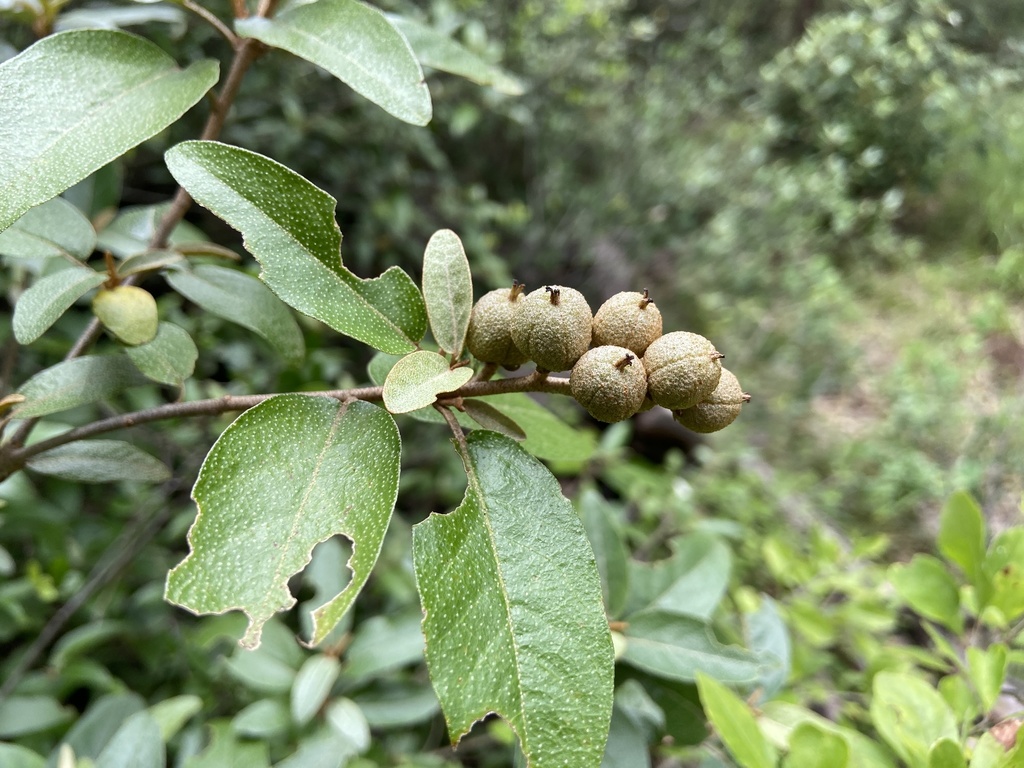
Croton texensis
- Origin
- North America
- Part used
- Root
- Tradition
- Traditional ethnobotany
On the great plains of North America, Texas croton grew readily in poor, disturbed soils, where few other plants ventured. Certain Native American nations of the Great Plains, particularly the Cheyenne, knew the uses tied to its root, passed down with caution from generation to generation. This little-studied plant today holds a quiet place in traditional herbalist notebooks.
Traditional uses
A traditional purgative use
The root was traditionally used by certain communities of the Plains as a strong purgative, at a very low dose and only occasionally.
External application for skin conditions
An external use of root-based preparations is reported for skin irritation or lesions, applied sparingly.
Traditional pain relief
Some ethnobotanical sources mention a traditional use of the root to ease localized pain, though the mechanism is not documented scientifically.
A ceremonial and symbolic use
Beyond its bodily uses, the plant also held a place in certain ritual practices of the peoples of the Plains, more symbolic than therapeutic.
Before you use it
A plant of the spurge family, reputed to be irritating and potentially toxic: any internal use carries a real risk and should only happen under the supervision of a health professional trained in plants. Never exceed a minute dose, even in reported traditional use: the margin between a purgative effect and toxicity is narrow. Formally discouraged for pregnant or breastfeeding women, children, and anyone with digestive or liver fragility. For external use, test on a small area of skin and stop immediately if redness, burning, or irritation occurs.
The detailed notebook
- Prepared as a paste or decoction
- Traditional duration of use
- Known contraindications
- Related species and their uses
Where to find it
Partner herbalists — available with the detailed notebook.
Sources
PFAF, Wikipedia