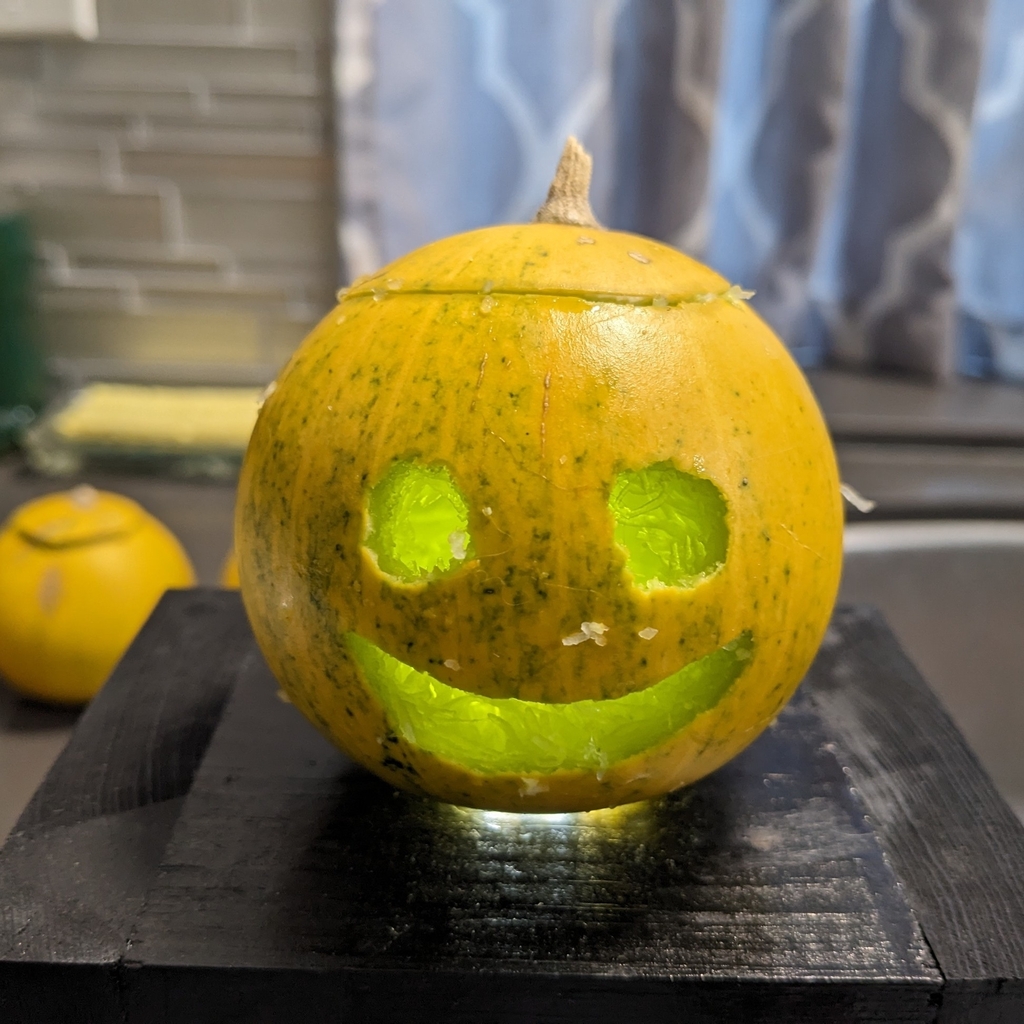
Cucurbita foetidissima
- Origin
- North America
- Part used
- Flowers
- Tradition
- Traditional ethnobotany
Buffalo gourd, Cucurbita foetidissima, grows wild across the arid lands of North America, where Indigenous peoples of the Southwest have long known its knotted roots and golden flowers. Its name recalls the powerful odor released by the crushed foliage, a distinctive trait of this wild cucurbit quite unlike its cultivated cousins. It was used with caution, both for household purposes and for certain traditional preparations.
Traditional uses
Flowers eaten sparingly
The flowers of the buffalo gourd were sometimes gathered and added to the diet of certain Indigenous communities, generally cooked, in small quantity and never as a staple food.
A plant for soap and dye
The roots, rich in saponins, were traditionally used to make a rustic kind of soap or shampoo, a use well documented among the peoples of the American Southwest.
Occasional use as a purgative
Certain traditions report an occasional use of parts of the plant as a strong purgative, reserved for specific cases and at a minute dose because of its recognized potency.
A traditional external application
Preparations made from crushed root were said to have been applied locally in certain practices, though this use remains poorly detailed in the available sources.
Before you use it
The whole plant is very bitter and rich in cucurbitacins, compounds that can be toxic and irritating at high doses: any internal use should remain exceptional and be supervised by a professional. Not recommended for pregnant or breastfeeding women, nor for children, in the absence of sufficient safety data. Do not confuse with cultivated food squashes: Cucurbita foetidissima is a wild species with a restricted traditional use, not a common vegetable. If in doubt about a preparation, consult a herbalist or physician before any prolonged internal or external use.
The detailed notebook
- Prepared as a paste or decoction
- Traditional duration of use
- Known contraindications
- Related species and their uses
Where to find it
Partner herbalists — available with the detailed notebook.
Sources
Wikipedia