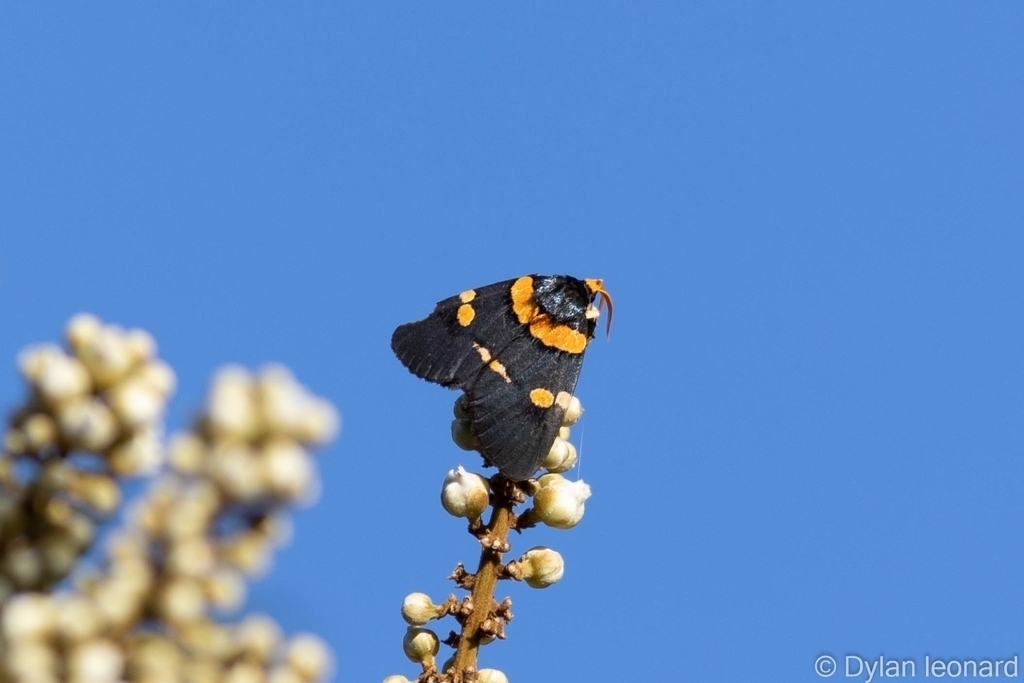
Deinbollia oblongifolia
- Origin
- Africa
- Part used
- See detailed notebook
- Tradition
- Traditional ethnobotany
A discreet shrub of the coastal margins and wooded savannas of East Africa, Deinbollia oblongifolia has been known to local traditional healers for several generations, often within Swahili and neighboring communities. Its leaves and roots hold a modest but constant place in village pharmacopeias, passed down orally from healer to healer.
Traditional uses
Traditional support for digestive troubles
Root or leaf decoctions are traditionally drunk to ease stomach pain and common digestive troubles, according to uses reported in certain coastal regions of East Africa.
Traditional use against bodily pain
Certain root-based preparations are mentioned in folk medicine to relieve diffuse pain, alongside other local plant remedies.
Ancient use against feverish states
The plant is among the traditional remedies used to help with episodes of fever, although this use is less documented than the digestive use.
Traditional external application
Leaf-based preparations are said to have been used externally for certain skin care, according to loosely formalized local practices.
What to know before use
A traditional use poorly documented scientifically: caution is advised, particularly for any prolonged or specifically therapeutic use. Avoid in pregnant or breastfeeding women, for lack of sufficient safety data. Do not give to young children without the advice of a health professional. Consult a doctor or qualified herbalist before any use, particularly in case of ongoing medication.
The detailed notebook
- Prepared as a paste or decoction
- Traditional duration of use
- Known contraindications
- Related species and their uses
Where to find it
Partner herbalists — available with the detailed notebook.
Sources
PFAF, Wikipedia