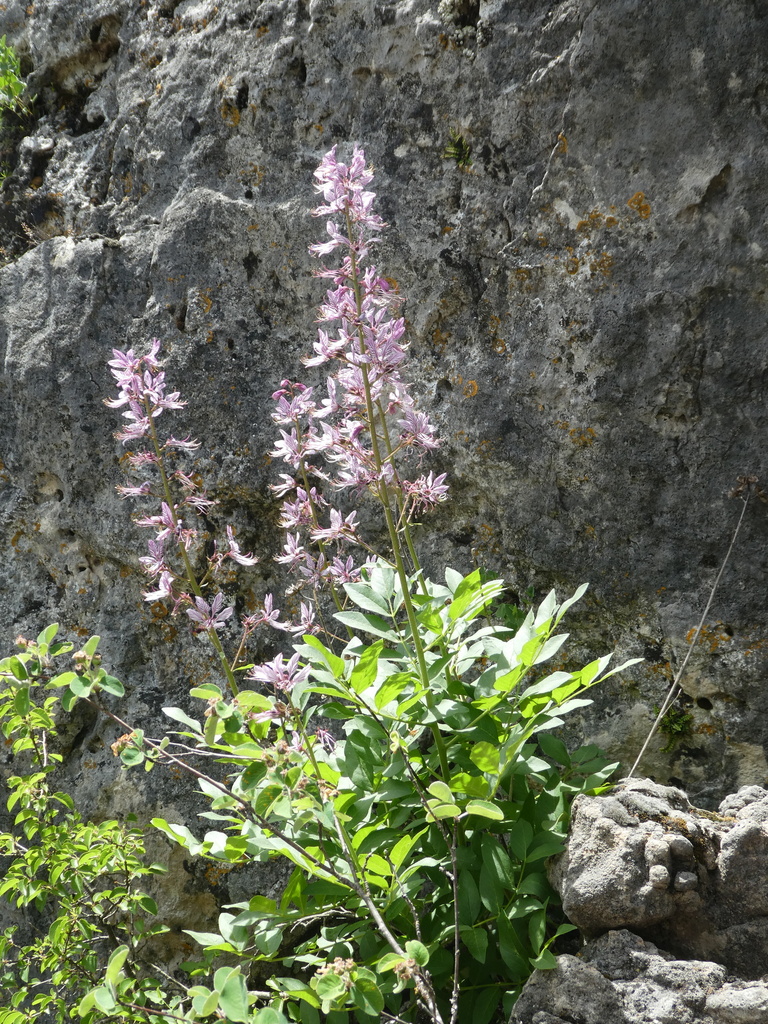
Dictamnus albus
- Origin
- Europe
- Part used
- See detailed notebook
- Tradition
- Traditional ethnobotany
Burning bush, also called fraxinella, is a perennial plant of dry hedgerows and calcareous hillsides in southern Europe, renowned since antiquity for its lemony scent and its flammable volatile vapors, which earned it an almost legendary aura. Old-time herbalists mentioned it among the plants ‘apart,’ surrounded by caution and respect, admired more for its reported virtues than actually used day to day.
Traditional uses
A traditional bitter tonic
The dried root was traditionally used in small amounts as a stomachic bitter, said to promote digestion and stimulate the appetite.
An old fever remedy
In the folk pharmacopeias of Central Europe, burning bush root featured in preparations meant to combat feverish states and certain nervous complaints.
Traditional gynecological use
Certain old texts report a traditional use of the root to regulate menstrual cycles, a use now considered risky and largely abandoned.
Old external applications
An old use of root decoctions as external applications is reported, particularly on irritated skin, though this use is not documented with much precision.
Before you use it
A plant containing photosensitizing furocoumarins: contact between the sap and skin exposed to sunlight can cause severe burns and phytophotodermatitis. Internal use is strongly discouraged without the supervision of a qualified healthcare professional, due to compounds potentially toxic to the liver and the risk of interactions. Contraindicated during pregnancy or breastfeeding, as well as in children, due to traditional hormone-targeting uses and a lack of safety data. Avoid any sun exposure after handling the fresh plant, even without internal use.
The detailed notebook
- Prepared as a paste or decoction
- Traditional duration of use
- Known contraindications
- Related species and their uses
Where to find it
Partner herbalists — available with the detailed notebook.
Sources
PFAF