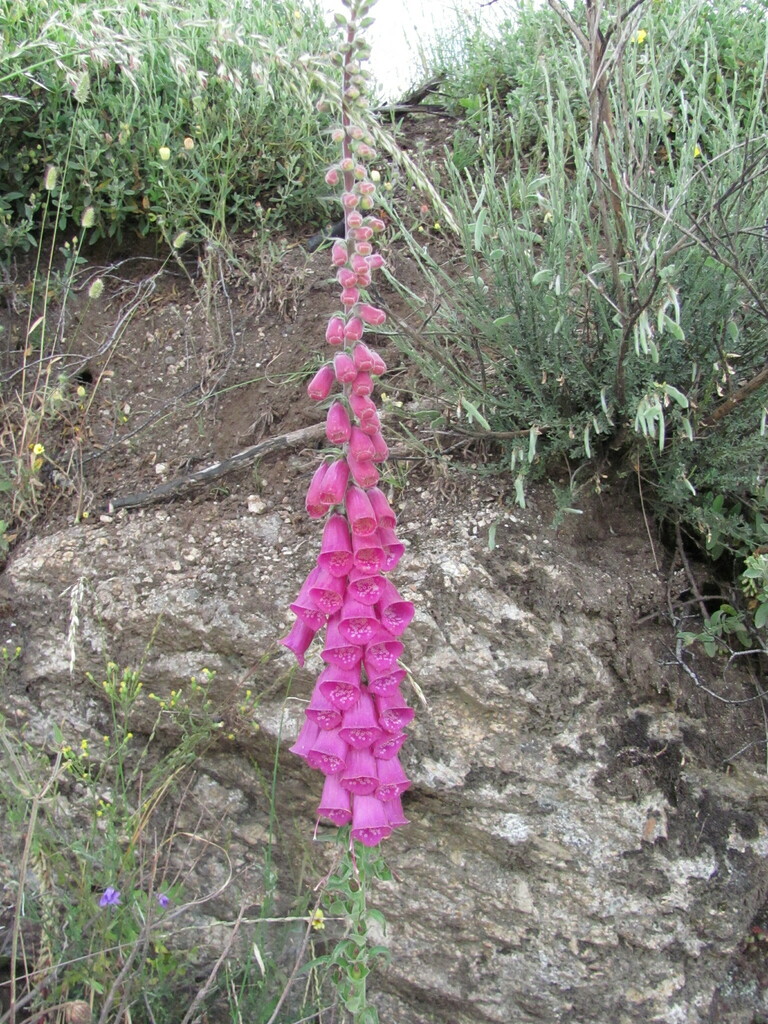
Digitalis purpurea
- Origin
- Europe
- Part used
- Leaves
- Tradition
- Traditional ethnobotany
Foxglove, with its purple bells standing tall along paths and forest edges, occupies a singular place in the memory of European herbalists. A plant of striking beauty, it was long as feared as it was sought after, so much did its power over the heart fascinate country doctors from the eighteenth century onward. Its story is that of a remedy which, over time, became the exclusive domain of learned medicine.
Traditional uses
A historical cardiac tonic
Foxglove leaf became famous from the late eighteenth century onward, notably through the work of William Withering, for its traditional use in heart weakness and the associated edema. This use belongs strictly to carefully dosed medicinal preparations supervised by a doctor, never to home self-medication.
An old traditional diuretic use
Foxglove was once credited with virtues promoting the elimination of bodily water, linked to its action on circulation. This effect was always achieved within a precise medical preparation, the raw plant being judged too dangerous for domestic use.
The origin of modern digitalis drugs
Foxglove is the historical source of the cardiotonic glycosides (digoxin, digitoxin) still used today in strictly regulated pharmaceutical form, testifying to its importance in the history of Western medicine.
Before you use it
A highly toxic plant: the margin between a useful dose and a fatal one is extremely narrow, and any ingestion of leaf, flower, or seed can cause serious heart problems, even death. Never prepare or consume foxglove in any form without strict medical supervision; this is not a plant for foraging or family use. Dangerous interactions with numerous medications, particularly heart treatments, diuretics, and certain mineral salts (potassium, calcium). Strictly contraindicated for pregnant women, breastfeeding women, children, and anyone with a heart or kidney condition not under medical follow-up.
The detailed notebook
- Prepared as a paste or decoction
- Traditional duration of use
- Known contraindications
- Related species and their uses
Where to find it
Partner herbalists — available with the detailed notebook.
Sources
Wikipedia