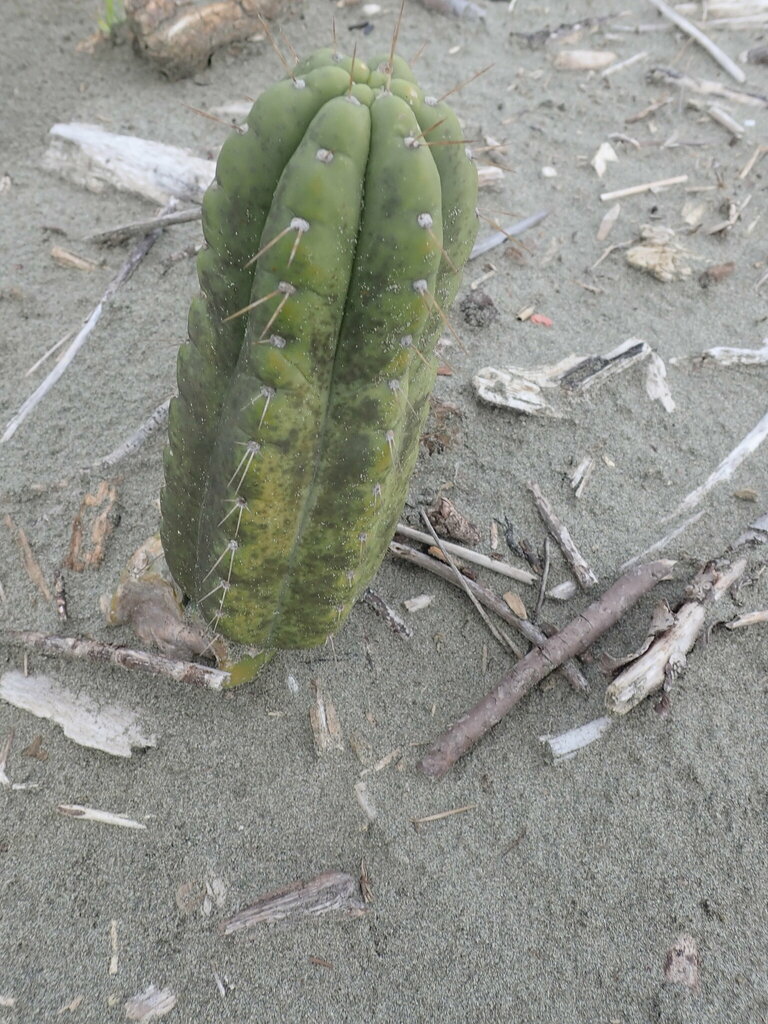
Echinopsis pachanoi
- Origin
- North America
- Part used
- Root
- Tradition
- Traditional ethnobotany
Echinopsis pachanoi, also known as San Pedro, is a large columnar cactus native to the Andean slopes, whose traditional use dates back to ancestral practices of pre-Columbian cultures. Considered a plant of vision and healing in certain South American shamanic traditions, it holds a particular place, surrounded by respect and ritual. The Ancients who mention it insist on the strict ceremonial framework that always accompanied its use.
Traditional uses
A plant of shamanic vision
Traditionally used during ceremonies led by Andean healers, San Pedro was considered a means of accessing altered states of consciousness for divinatory or spiritual purposes.
An energetic cleansing ritual
In certain Peruvian and Ecuadorian folk traditions, the plant was associated with purification practices, believed to ward off negative influences during supervised ceremonies.
Aid to the healer's diagnosis
Curanderos have historically reported using this plant to help identify physical or psychic imbalances in the patient, always within a precise ritual framework.
Before you use it
This plant contains mescaline, a psychoactive substance whose use is strictly regulated or even prohibited in many countries, including France. Unsupervised use presents significant psychological and physiological risks (cardiac disturbances, intense and unpredictable psychic reactions). Strongly contraindicated during pregnancy, breastfeeding, psychiatric disorders, or ongoing medication, due to possible interactions. Any historical mention of this plant is presented for cultural and informational purposes only; it in no way constitutes an incitement to its consumption.
The detailed notebook
- Prepared as a paste or decoction
- Traditional duration of use
- Known contraindications
- Related species and their uses
Where to find it
Partner herbalists — available with the detailed notebook.
Sources
PFAF, Wikipedia