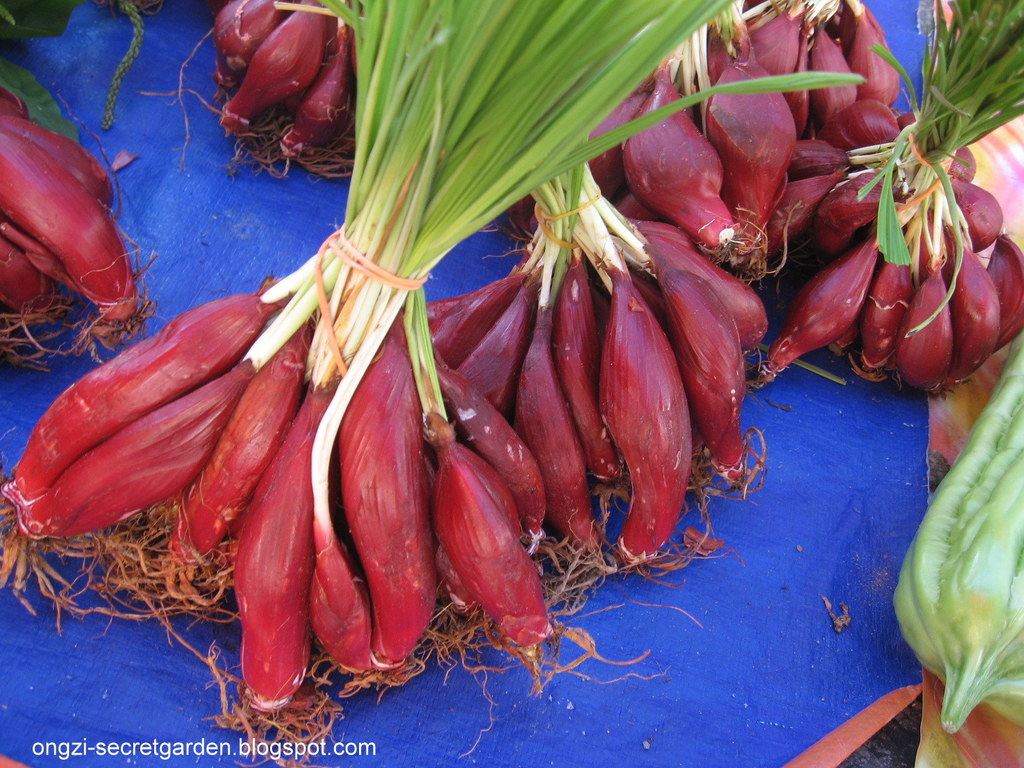
Eleutherine bulbosa
- Origin
- South America
- Part used
- See detailed notebook
- Tradition
- Traditional ethnobotany
Native to the tropical lowlands of South America, Eleutherine bulbosa is a modest bulb with a reddish coat, long cultivated by Amazonian and Andean peoples for domestic uses. Regional herbalist notebooks mention it under various local names, sometimes as a medicinal plant, sometimes as a traditional cooking condiment. Its reputation, passed down orally from generation to generation, remains today still under-documented by Western science.
Traditional uses
Traditional support for the female cycle
The bulb was traditionally used by certain Amazonian communities to accompany menstrual cycle troubles and the postpartum period. This use remains empirical and has not undergone rigorous scientific validation.
Ancestral digestive comfort
In a light decoction, the bulb was sometimes consumed to soothe digestive discomfort and bloating, following folk practices passed down in certain rural regions of South America.
Traditional care for skin conditions
The crushed or infused bulb was applied locally to certain skin irritations and conditions in folk pharmacopoeia, particularly for its supposed cleansing properties.
Traditional circulatory use
Some local traditions report a use of the bulb to support blood circulation, although this use is less documented and more anecdotal than the previous ones.
What to know before use
A scientifically under-studied plant: its use should remain cautious and supervised by a health professional or an experienced herbalist. Strongly not recommended during pregnancy and breastfeeding owing to its traditional use linked to the female cycle, potentially a uterine stimulant. Do not administer to young children for lack of sufficient safety data. Avoid any prolonged self-medication or high doses; interactions with other treatments are not excluded.
The detailed notebook
- Prepared as a paste or decoction
- Traditional duration of use
- Known contraindications
- Related species and their uses
Where to find it
Partner herbalists — available with the detailed notebook.
Sources
PFAF