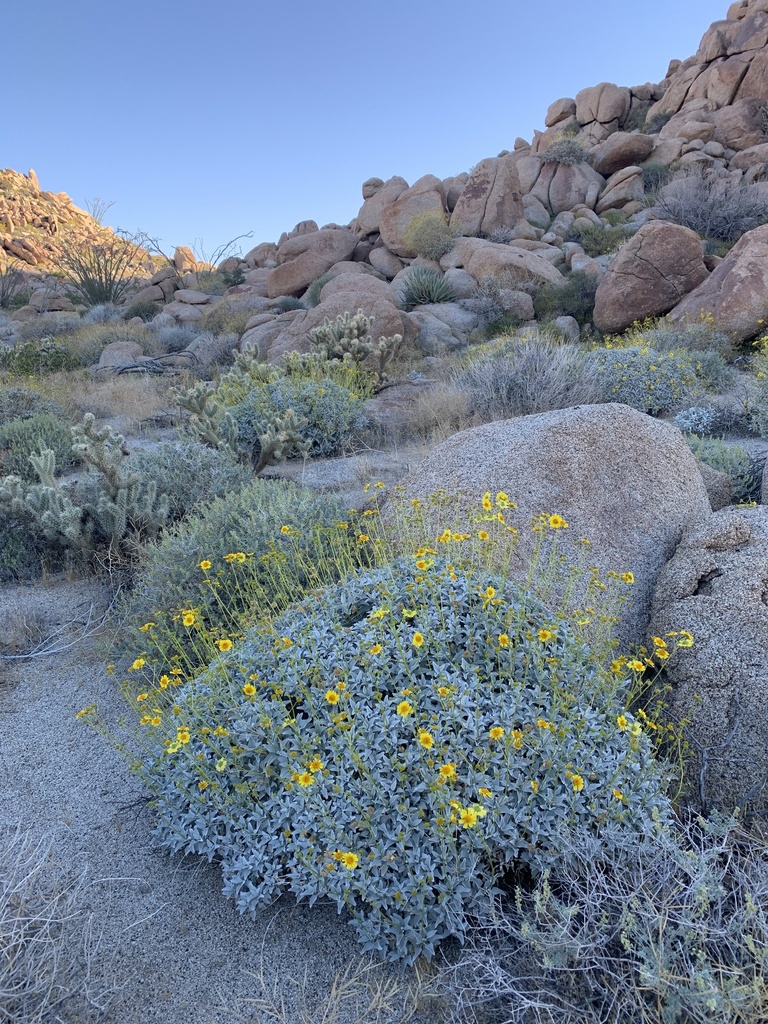
Encelia farinosa
- Origin
- North America
- Part used
- See detailed notebook
- Tradition
- Traditional ethnobotany
A silvery shrub of the deserts of the American Southwest, Encelia farinosa, also called "brittlebush" by the peoples of the Sonoran Desert, was known to the O'odham and Seri tribes for its fragrant resin as much as for its foliage covered in white down. The ancients burned its gum as incense and used its brittle stems as a makeshift remedy for pain.
Traditional uses
Heated resin as a plaster
The resin, softened by heat, was applied as a poultice to painful areas, particularly to relieve muscle and joint pain according to the Amerindian tradition of the desert.
Fumigation of the resin
Burned as incense, Encelia farinosa gum was used to purify the air of dwellings and, through light inhalation of its smoke, to clear the airways during colds.
Resin as a protective dressing
Softened and applied directly, the resin served as a traditional dressing to protect and help heal small wounds or cuts.
Chewing the gum
Desert tribes sometimes chewed small pieces of dried resin, a use reported for dental hygiene and freshening the mouth.
Before you use it
Traditional external use is mainly documented; internal use is not sufficiently documented to be recommended without professional advice. The resin and its smoke can cause skin or respiratory reactions in sensitive or asthmatic individuals. Discouraged for pregnant or breastfeeding women and young children, for lack of safety data. Do not ingest the resin or prepare internal decoctions without consulting a health professional, given the lack of toxicity studies.
The detailed notebook
- Prepared as a paste or decoction
- Traditional duration of use
- Known contraindications
- Related species and their uses
Where to find it
Partner herbalists — available with the detailed notebook.
Sources
Wikipedia