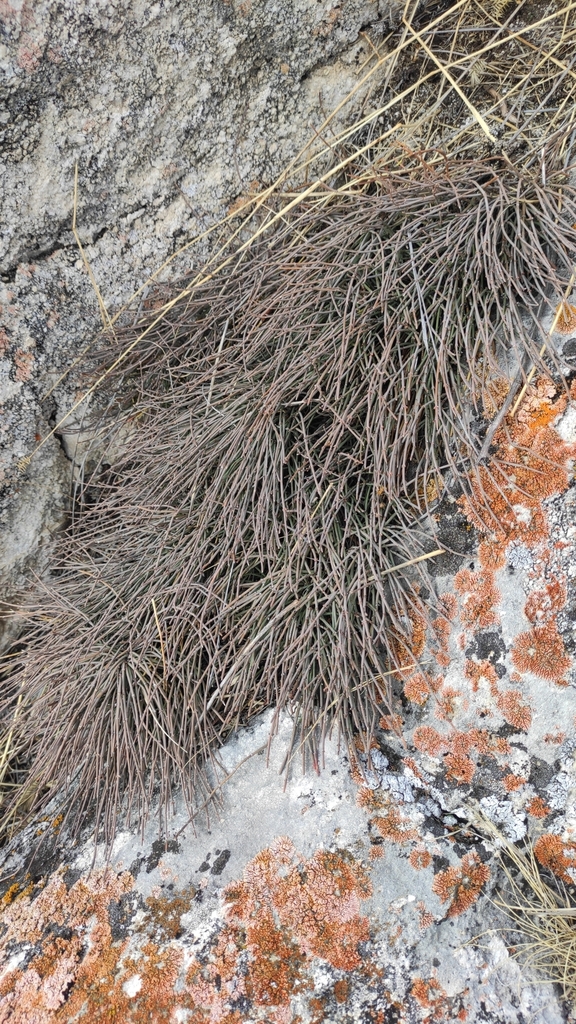
Ephedra monosperma
- Origin
- Asia
- Part used
- See detailed notebook
- Tradition
- Traditional ethnobotany
On the rocky high plateaus and cold steppes of Asia, Ephedra monosperma grows as small, unassuming shrubs, yet its use dates back to very ancient times. Traditional herbalists of Central Asia and Siberia considered it a plant of strength, used with caution for its stimulating effects on breathing and energy.
Traditional uses
Traditional support for the respiratory tract
The dried stems were traditionally used to support clear breathing, particularly during seasonal colds, according to the uses of Central Asian peoples.
A tonic, stimulating plant
Due to its content of alkaloids related to ephedrine, this species was reputed in certain traditions for its occasional stimulating and tonic effects.
Traditional use against colds
In certain Siberian and Mongolian folk pharmacopeia, a light decoction of this ephedra was used in cases of mild fever or chill.
Traditional warming of the body
It was sometimes used for its so-called "warming" virtues, within a traditional logic of energetic balance against the cold.
What to know before use
A plant containing ephedrine-type alkaloids with a powerful stimulating action on the cardiovascular and nervous systems: medical advice is essential before any use. Strongly not recommended in cases of hypertension, heart trouble, glaucoma, and during pregnancy and breastfeeding. Possible interactions with numerous medications (antidepressants, stimulants, heart treatments): never combine without the advice of a health professional. Use prohibited in children and strongly regulated, even restricted, in several countries due to toxicity risks.
The detailed notebook
- Prepared as a paste or decoction
- Traditional duration of use
- Known contraindications
- Related species and their uses
Where to find it
Partner herbalists — available with the detailed notebook.
Sources
PFAF