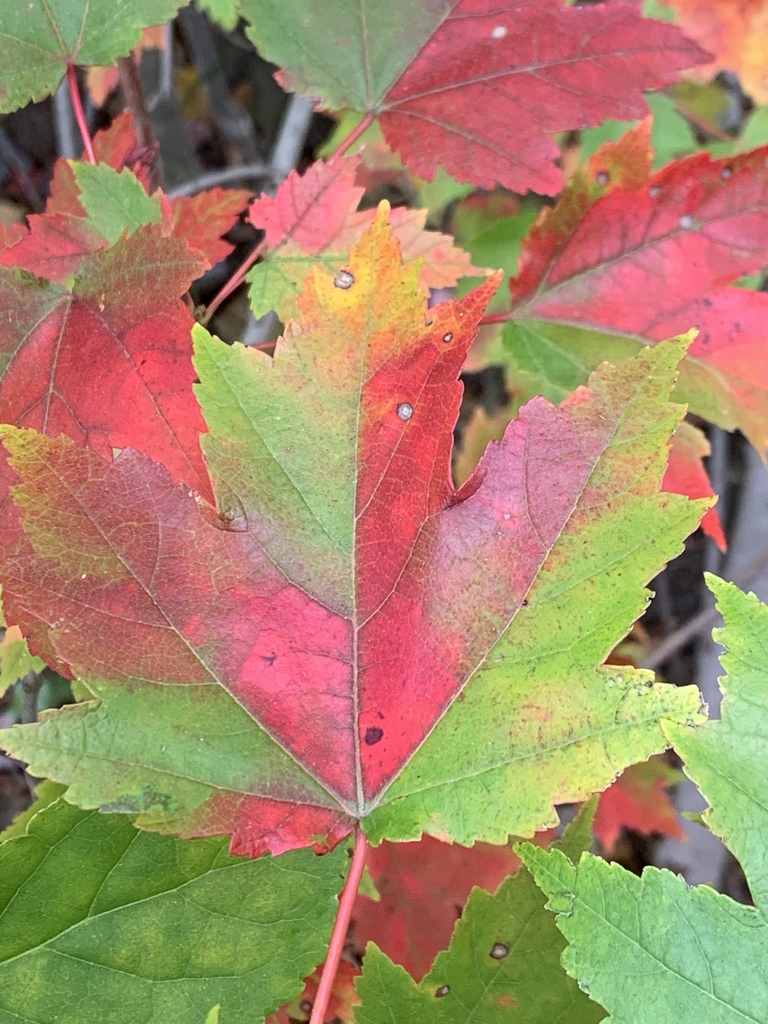
red maple
- Origin
- North America
- Part used
- Root, Bark
- Tradition
- Traditional ethnobotany
Red maple, a familiar tree of the wet forests of North America, is recognized by its samaras and the flaming hue of its autumn foliage. Indigenous peoples and settlers knew its bark and roots well, using them in various household remedies passed down orally from generation to generation.
Traditional uses
Care for skin irritation
The bark, reduced to a decoction, was traditionally applied as a wash or compress to soothe irritated skin and certain minor skin conditions.
A traditional eye bath
A diluted bark decoction was sometimes used as an eye bath in certain North American Indigenous traditions to relieve eye irritation.
An occasional digestive use
The bark, and sometimes the root, were used as a light decoction as a traditional digestive tonic, particularly to soothe minor stomach trouble.
Postpartum support
Certain traditions report the use of preparations made from red maple bark to help with the period following childbirth, a use that is now poorly documented scientifically.
Before you use it
Do not use during pregnancy or breastfeeding without medical advice, as certain traditional uses are linked to women's health and are poorly documented. Fresh or improperly prepared bark may present some toxicity; only a correctly prepared preparation should be considered. Avoid any eye use without the supervision of a health professional, as the risk of irritation or contamination is real. Seek the advice of a health professional before any prolonged internal use, particularly if under ongoing medication.
The detailed notebook
- Prepared as a paste or decoction
- Traditional duration of use
- Known contraindications
- Related species and their uses
Where to find it
Partner herbalists — available with the detailed notebook.
Sources
PFAF, Wikipedia