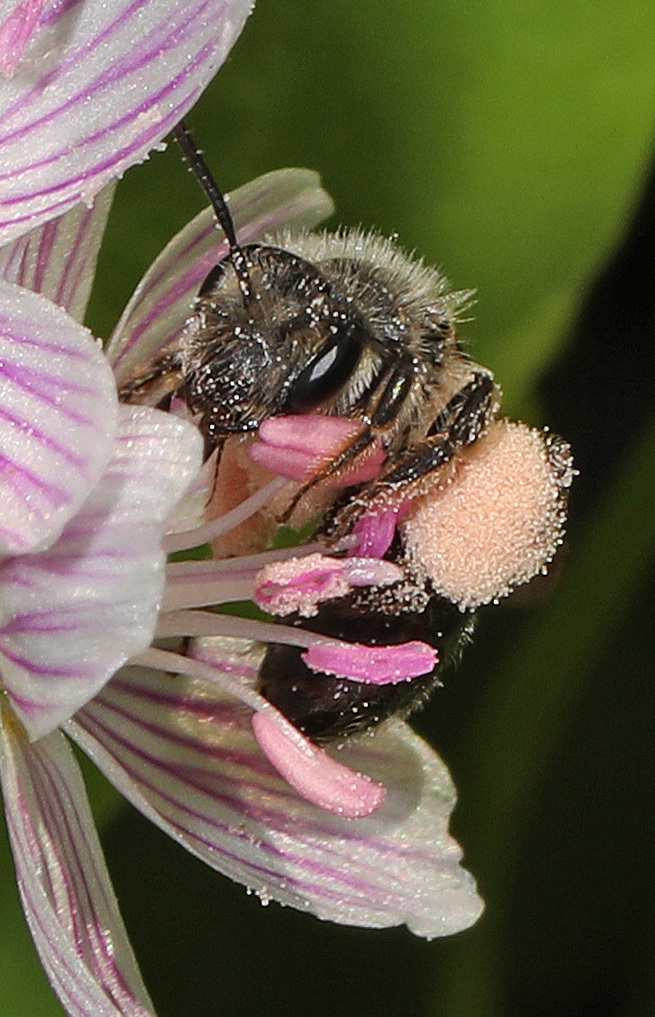
Erigenia
- Origin
- North America
- Part used
- See detailed notebook
- Tradition
- Traditional ethnobotany
A quiet messenger of spring, Erigenia — sometimes called "harbinger-of-spring" by the old herbalists of North America's wooded valleys — is among the very first flowers to break through the still-cold soil. The Indigenous peoples and the settlers who followed credited it with modest but valued virtues, passed down by memory rather than recorded in the great treatises.
Traditional uses
Traditional digestive support
The tuberous root is said to have been chewed or infused to ease mild digestive discomfort, according to folk uses reported in certain wooded regions.
A traditional use against pain
Certain old sources mention a use of the dried root to relieve diffuse pain, though neither the preparation nor the dosage were clearly documented.
A traditional use linked to cycles
Erigenia is said to have occasionally been used in certain folk traditions in connection with the female cycle, a use that remained marginal and poorly detailed in the available writings.
Before you use it
A plant little studied scientifically: caution calls for consulting a health professional before any internal use. Avoid entirely during pregnancy and breastfeeding due to a traditional use mentioned in connection with the female cycle, not precisely documented. Do not give to children. A quiet, localized species in its natural habitat: favor a cultivated origin or a reliable source rather than wild harvesting, so as not to weaken existing populations.
The detailed notebook
- Prepared as a paste or decoction
- Traditional duration of use
- Known contraindications
- Related species and their uses
Where to find it
Partner herbalists — available with the detailed notebook.
Sources
PFAF