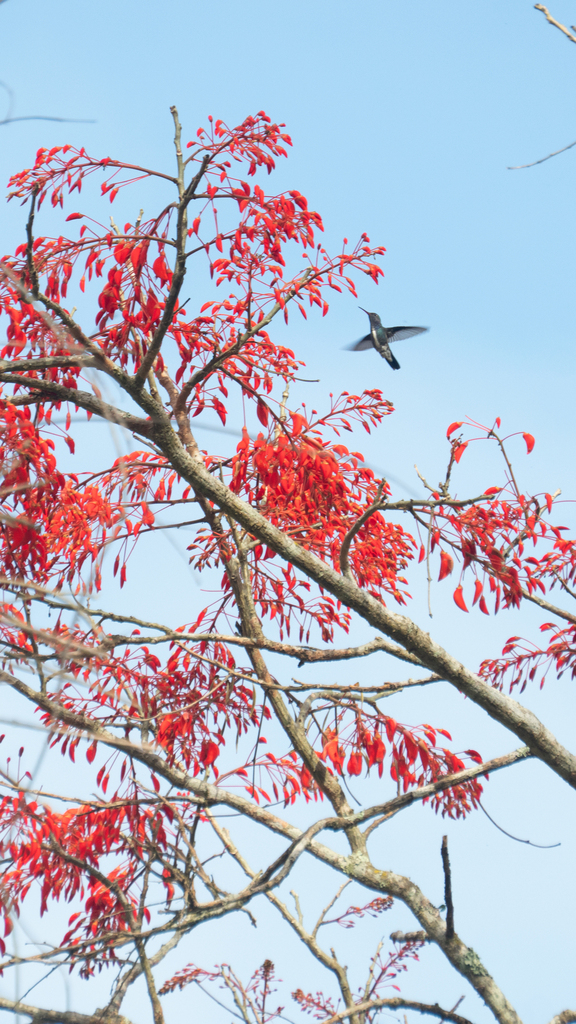
Erythrina verna
- Origin
- South America
- Part used
- See detailed notebook
- Tradition
- Traditional ethnobotany
On the high plateaus and in the forests of Brazil, mulungu — the common name for Erythrina verna — is recognized by its large bright red flowers and fissured bark. Traditional South American healers have long credited it with the virtue of soothing an agitated mind and promoting rest, making its bark a folk remedy passed down through generations.
Traditional uses
Traditional nervous calming
Mulungu bark was traditionally used in South America to calm nervousness and promote more peaceful sleep.
Support for a racing heart
Brazilian folk herbalists used this bark to accompany palpitations felt during passing states of anxiety.
Relief of digestive tension
Traditionally, a light bark preparation was sometimes given to relieve digestive spasms linked to nervousness.
Rest and recovery
In some regions, the bark accompanied periods of convalescence where rest and peace of mind were sought.
What to know before use
A plant with recognized sedative properties: to be avoided when taking central nervous system depressant medications (anxiolytics, sleeping pills) without medical advice. Not recommended for pregnant or breastfeeding women, for lack of sufficient safety data. Do not combine with alcohol or with driving owing to a possible marked sedative effect. Prolonged or high-dose use is not documented as safe: seek the advice of a health professional or an experienced herbalist before any regular use.
The detailed notebook
- Prepared as a paste or decoction
- Traditional duration of use
- Known contraindications
- Related species and their uses
Where to find it
Partner herbalists — available with the detailed notebook.
Sources
PFAF