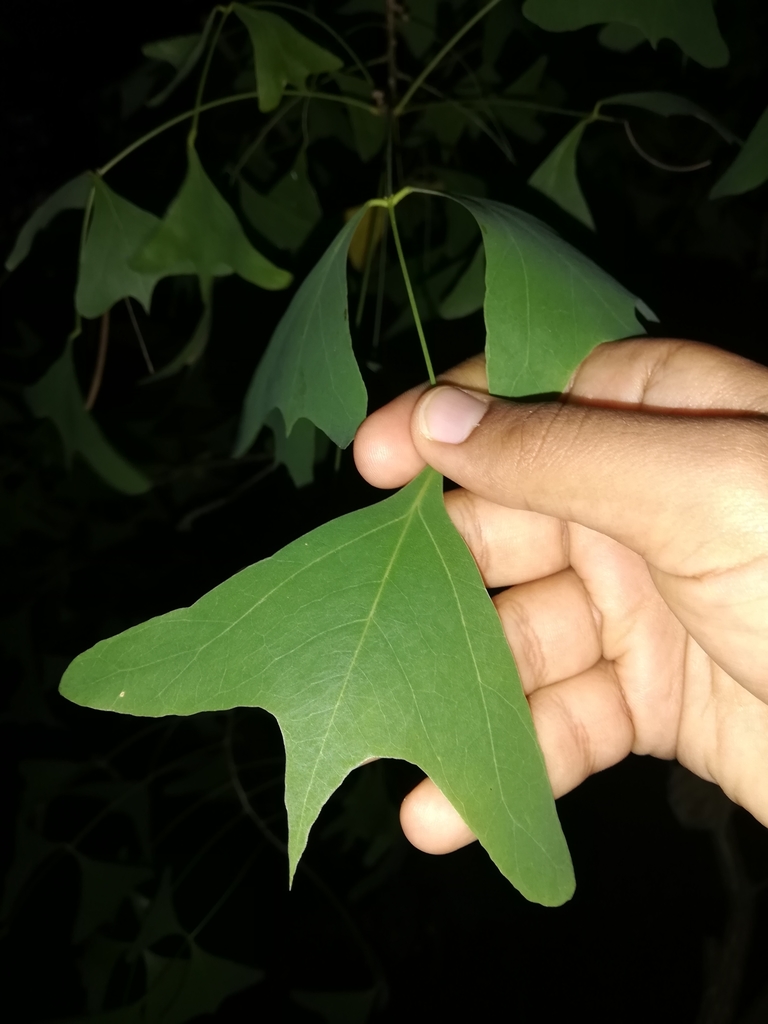
Erythrina vespertilio
- Origin
- Oceania
- Part used
- See detailed notebook
- Tradition
- Traditional ethnobotany
Beneath the arid skies of central Australia, Erythrina vespertilio — a tree with light wood and dark red flowers — holds a particular place in the knowledge of Aboriginal peoples. The bark and roots of this tree, sometimes called "corkwood" or "bat's wing coral tree" for the shape of its leaves, long served both traditional pharmacopoeia and the making of ritual and utilitarian objects.
Traditional uses
Soothing skin irritations
The crushed bark, or the moistened inner bark, was traditionally applied as a poultice on wounds, irritations, and certain skin ailments by Aboriginal Australian communities.
Relief for joint pain
Preparations made from the bark or root were traditionally used to soothe muscular and joint pain, mainly as an external application.
A traditional light sedative use
Certain ethnobotanical sources report a traditional use of light decoctions to promote rest, linked to the alkaloids specific to the genus Erythrina, known elsewhere in the world for their relaxing properties.
Wood used for ceremonial objects
The tree's soft, light wood was traditionally carved to make shields, ceremonial objects, and vessels, a use inseparable from the plant's cultural place among Aboriginal peoples.
Before you use it
The genus Erythrina is known to contain alkaloids (erythrinines) with potentially sedative and neuroactive effects; internal use should only be undertaken under the supervision of a qualified professional. Use is discouraged during pregnancy or breastfeeding, for lack of sufficient safety data. Do not combine with sedatives, anxiolytics, or other central nervous system depressants without medical advice. The traditional uses reported mainly concern Aboriginal Australian communities with detailed, contextual knowledge of the plant; Western scientific documentation remains limited, calling for great caution outside that context.
The detailed notebook
- Prepared as a paste or decoction
- Traditional duration of use
- Known contraindications
- Related species and their uses
Where to find it
Partner herbalists — available with the detailed notebook.
Sources
PFAF