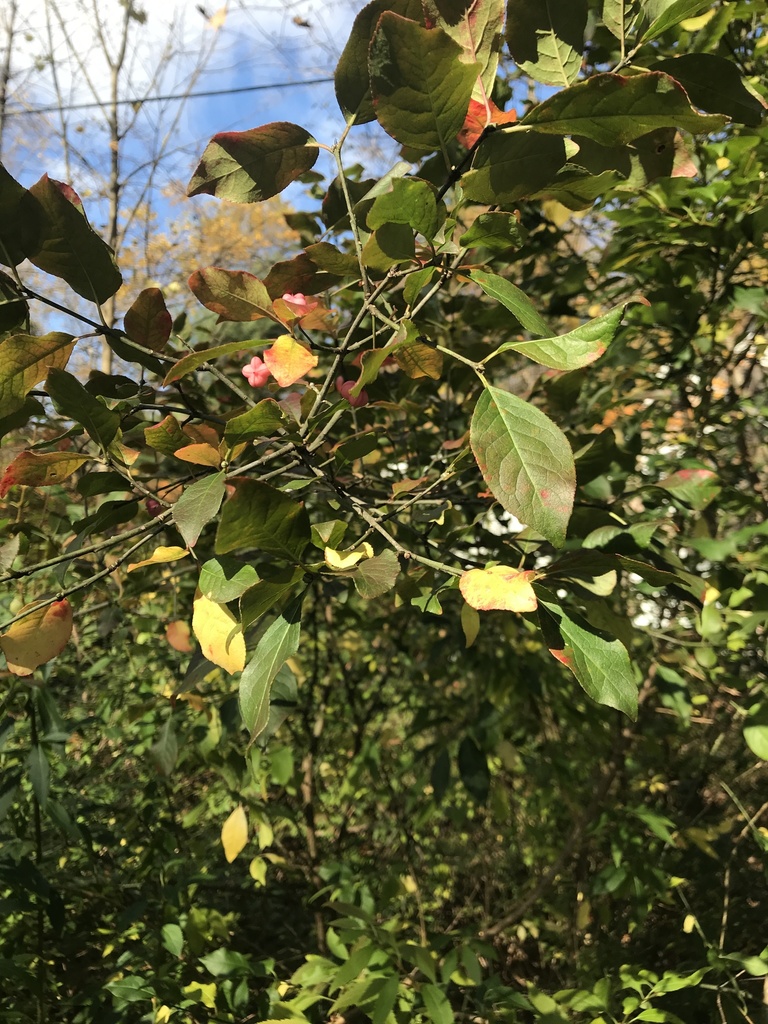
Euonymus atropurpureus
- Origin
- North America
- Part used
- Bark
- Tradition
- Traditional ethnobotany
The eastern wahoo, which the Ancients sometimes called “arrow wood” or “burning bush,” held a discreet but recognized place in the pharmacopoeia of New World herbalists. Its dried bark, bitter and acrid, served Indigenous tribes and later nineteenth-century eclectic practitioners, particularly to support liver and digestive function.
Traditional uses
Supporting the bowels and liver
The dried bark was traditionally used as a mild cholagogue and laxative, to stimulate bile flow and relieve sluggish digestion.
External use for skin ailments
Some folk traditions report the use of bark-based preparations in local applications for skin irritations or ailments.
A traditional fever-reducing bitter
In North American eclectic medicine, this bark was among the bitters used to accompany feverish states and digestive convalescence.
Traditional support for the heart
Some nineteenth-century herbalists credited it with a traditional cardiac tonic use, in very small doses and under strict supervision, owing to its chemical kinship with cardiotonic glycosides.
Before you use it
A toxic plant at high doses: the bark contains cardiotonic glycosides that can cause serious heart problems if overdosed. Use is strictly discouraged without supervision by a health professional qualified in herbal medicine. Contraindicated during pregnancy and breastfeeding, as well as in children. Possible interactions with cardiac treatments (particularly digitalis) and diuretics: seek medical advice before any use.
The detailed notebook
- Prepared as a paste or decoction
- Traditional duration of use
- Known contraindications
- Related species and their uses
Where to find it
Partner herbalists — available with the detailed notebook.
Sources
PFAF, Wikipedia