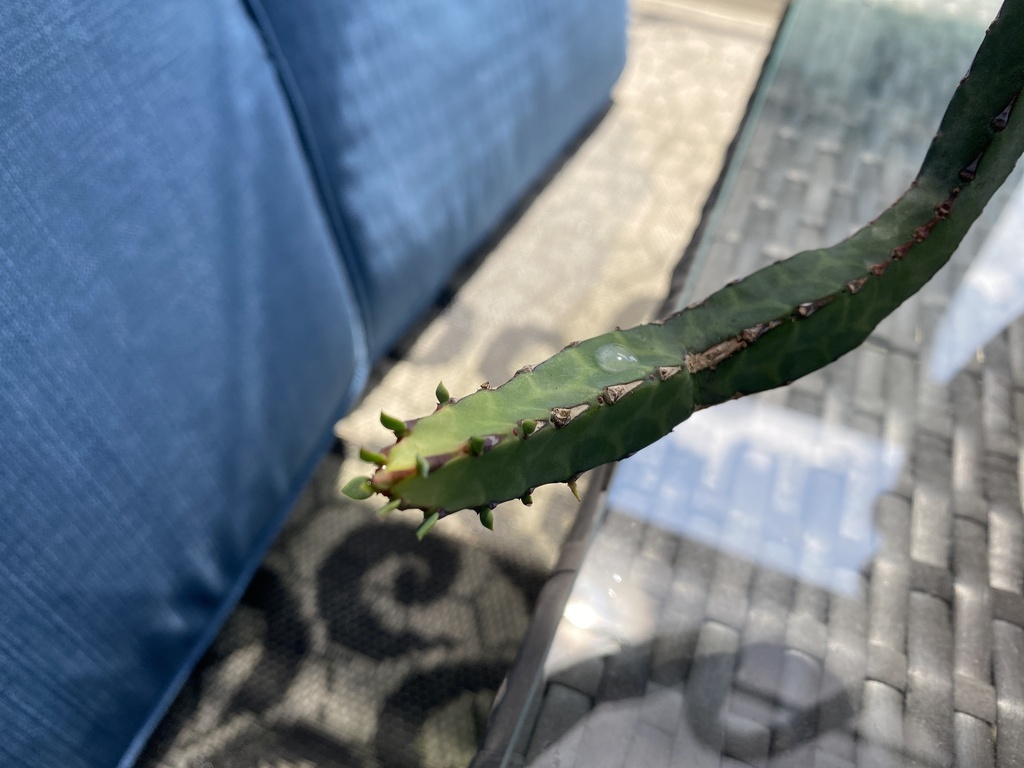
Euphorbia heterochroma
- Origin
- Africa
- Part used
- Root
- Tradition
- Traditional ethnobotany
Native to the arid lands of East Africa, Euphorbia heterochroma belongs to this vast family of spurges whose latex and roots have always inspired as much fascination as wariness among traditional healers. Ethnobotanical records mention its occasional use in local pharmacopeias, always surrounded by particular precautions.
Traditional uses
Traditional use as a purgative
The root was sometimes used in very small amounts by certain healers for its reputed purgative properties, as part of local traditional practices.
Traditional external application
The latex or root-based preparations may have been used locally on the skin according to certain traditions, though this practice is poorly documented in detail.
Presence in traditional practices
Like several African Euphorbia species, this plant is mentioned in certain traditional uses for ritual or symbolic purposes, without its actual therapeutic effects being established.
Traditional use mentioned against parasites
Some ethnobotanical sources report a traditional use of the root in preparations intended to fight intestinal parasites.
What to know before use
The genus Euphorbia is known for the toxicity of its latex, which is irritating to the skin and mucous membranes; direct contact should be avoided. This plant is very poorly documented scientifically: its traditional use rests on limited ethnobotanical sources and must never replace medical advice. Ingesting preparations made from Euphorbia root can cause severe digestive troubles; any internal use is strongly discouraged without supervision by a qualified professional. Use strictly not recommended for pregnant or breastfeeding women, as well as in children, due to the lack of safety data.
The detailed notebook
- Prepared as a paste or decoction
- Traditional duration of use
- Known contraindications
- Related species and their uses
Where to find it
Partner herbalists — available with the detailed notebook.
Sources
PFAF, Wikipedia