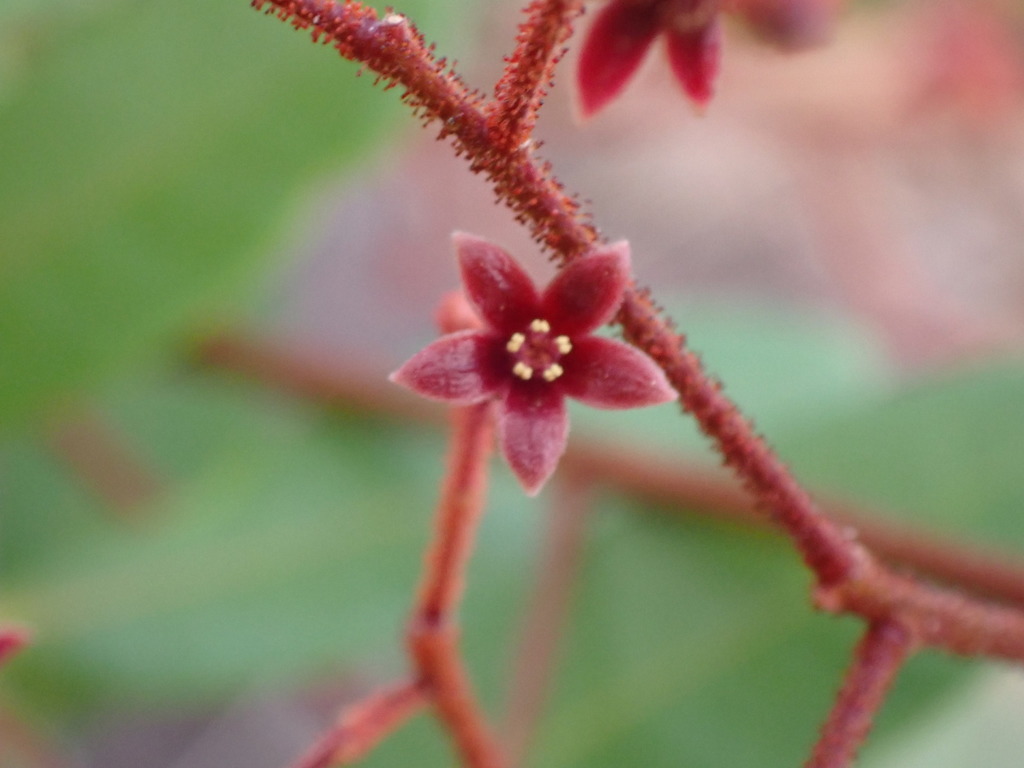
Eurycoma longifolia
- Origin
- Asia
- Part used
- Root
- Tradition
- Traditional ethnobotany
Known as Tongkat Ali in the deep forests of the Malay Peninsula and Indonesia, the root of Eurycoma longifolia has for generations been gathered by traditional healers as a fortifying remedy. It was locally nicknamed the "Malaysian ginseng," so widespread had its reputation become as a tonic plant for endurance and male vitality over the centuries.
Traditional uses
A traditional tonic against fatigue
The root was consumed as a decoction to fight exhaustion and support physical endurance, particularly among plantation workers and warriors of old.
Traditional support for the body's natural defenses
In Malay pharmacopeia, the bitter root was used to help the body resist fevers and common ailments, particularly malaria in certain rural regions.
Male vitality and vigor
The most documented traditional use: the root was reputed to support libido and male vigor, hence its popular nickname of "natural viagra" in several Southeast Asian communities.
A bitter digestive remedy
Its pronounced bitterness also made it an ingredient in traditional preparations intended to stimulate the appetite and aid digestion.
What to know before use
Not recommended during pregnancy and breastfeeding due to a traditional hormonal-oriented use not documented for maternal safety. Not recommended in children, as the traditional use concerns adults exclusively. May interact with hormonal or anticoagulant treatments; the advice of a health professional is essential before any use. Prolonged or high-dose consumption is not documented as safe; short, spaced-out courses are advised.
The detailed notebook
- Prepared as a paste or decoction
- Traditional duration of use
- Known contraindications
- Related species and their uses
Where to find it
Partner herbalists — available with the detailed notebook.
Sources
PFAF, Wikipedia