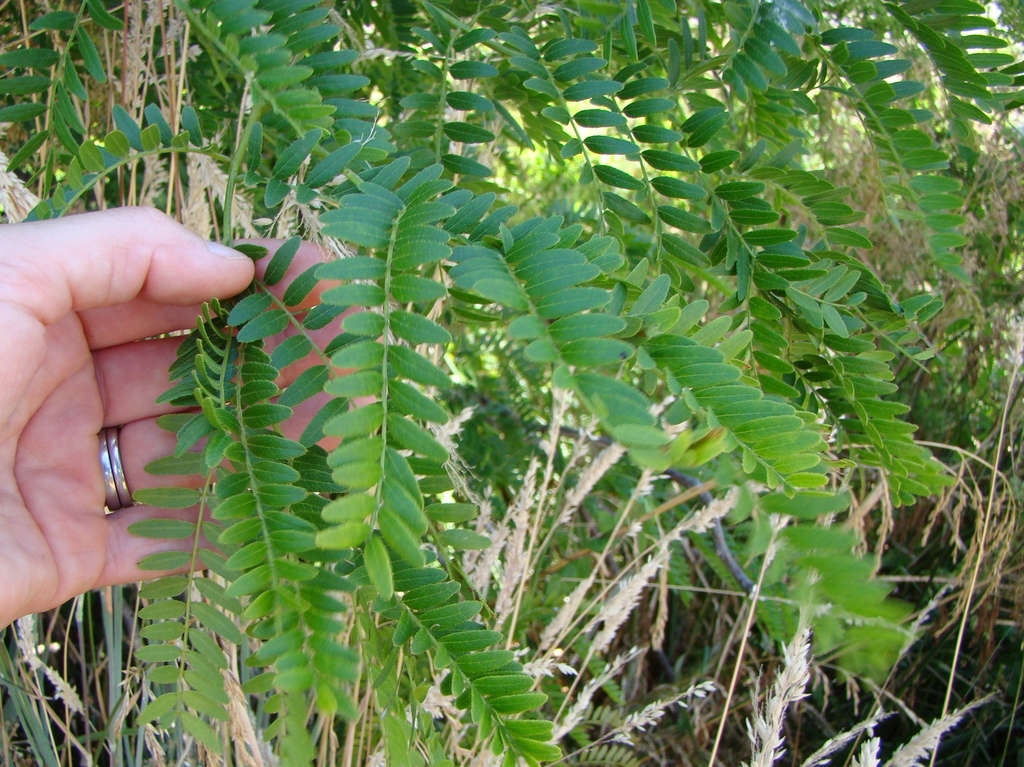
Honey Locust
- Origin
- North America
- Part used
- See detailed notebook
- Tradition
- Traditional ethnobotany
The honey locust, a thorny tree of the plains and riverine forests of North America, was long used by Indigenous peoples for its sweet pods and prized wood. Native American nations drew food, remedies, and materials from it, while settlers in turn learned to value its uses. Its name recalls the long, sharp thorns that bristle along its trunk, the signature of this singular tree.
Traditional uses
Pod pulp as a sweetening food
The sweet pulp contained in the long pods was traditionally chewed or used to prepare fermented beverages by certain Native American peoples. It also occasionally served as a natural sweetener in traditional foodways.
Traditional external use of the bark
Bark decoctions were sometimes applied externally in certain North American folk traditions, notably for the care of irritated skin. This use remains poorly documented and should be approached with caution.
Wood and thorns for utilitarian use
The sturdy thorns traditionally served as tools, pins, or points, while the hard wood was used in construction and carpentry by local communities.
An occasional decoction of the pods
Some ethnobotanical sources report an occasional use of light pod decoctions in traditional preparations intended to relieve minor respiratory ailments, without modern scientific confirmation.
Before you use it
The seeds, leaves, and especially young pods contain potentially toxic compounds; ingesting them in large amounts is not advised without the supervision of a qualified professional. Internal use of honey locust preparations is not recommended for pregnant or breastfeeding women, or young children. Do not confuse the ripe, edible pods with young green pods or raw seeds, which can cause digestive trouble if consumed. If in doubt about the tree's identification or the ripeness of the pods, abstain from any consumption and consult a specialist.
The detailed notebook
- Prepared as a paste or decoction
- Traditional duration of use
- Known contraindications
- Related species and their uses
Where to find it
Partner herbalists — available with the detailed notebook.
Sources
PFAF