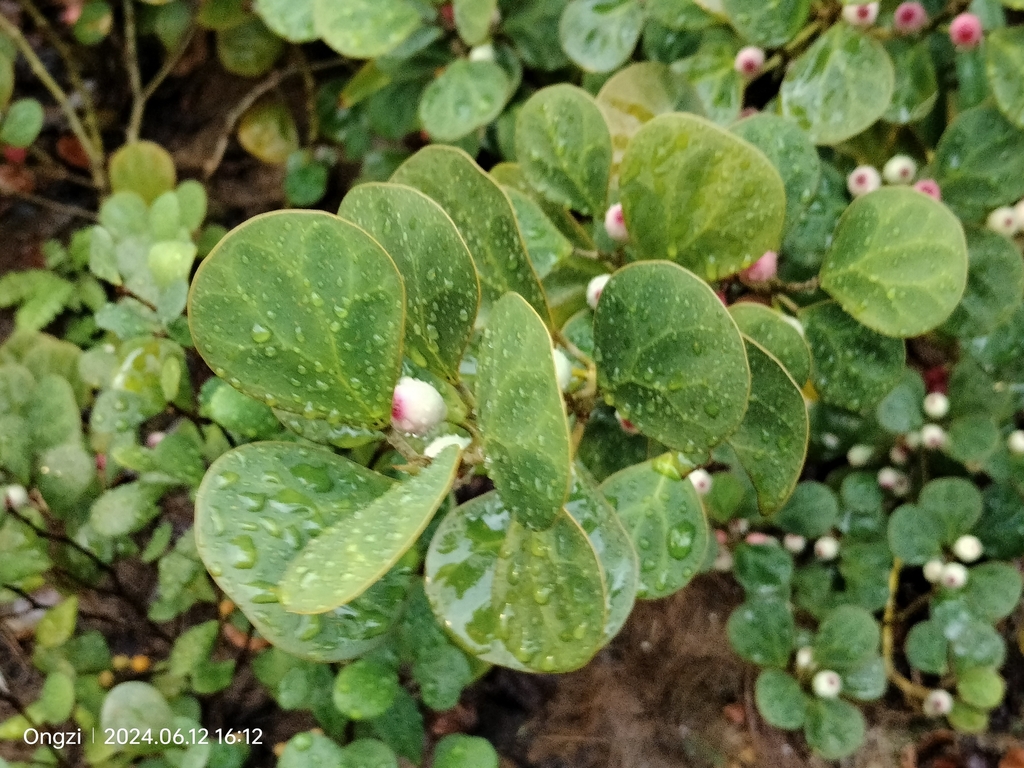
Ficus deltoidea
- Origin
- Asia
- Part used
- See detailed notebook
- Tradition
- Traditional ethnobotany
Known in Southeast Asia as "mas cotek," Ficus deltoidea is a small fig tree with diamond-shaped leaves that readily grows as an epiphyte on the trees of Malay forests. For a long time, women of the Malay Peninsula prepared it as a tea, a gesture passed down from mother to daughter across generations. It holds a special place in the region's traditional pharmacopeia, particularly around caring for the female body after childbirth.
Traditional uses
Traditional postpartum support
In Malay folk medicine, the leaves were infused to help with the period following childbirth, within a logic of general toning of the woman's body.
A daily tonic drink
The dried-leaf tea was consumed as an everyday wellness drink, within a tradition of maintaining vitality.
Traditional digestive comfort
Leaf decoctions have also been used customarily to soothe minor digestive discomfort.
Traditional local application
The sap or leaf decoction was sometimes applied locally to the skin in certain village practices, for a soothing effect.
What to know before use
A plant with a supposed hormonal use in tradition: avoid during pregnancy and breastfeeding without the advice of a health professional. Do not use in women trying to conceive without medical advice, as certain traditional uses are linked to effects on the female cycle. Possible interactions with hormonal or antidiabetic treatments; seek medical advice if undergoing treatment. Traditional use poorly documented by modern research: caution is warranted, particularly regarding duration of use and doses.
The detailed notebook
- Prepared as a paste or decoction
- Traditional duration of use
- Known contraindications
- Related species and their uses
Where to find it
Partner herbalists — available with the detailed notebook.
Sources
PFAF