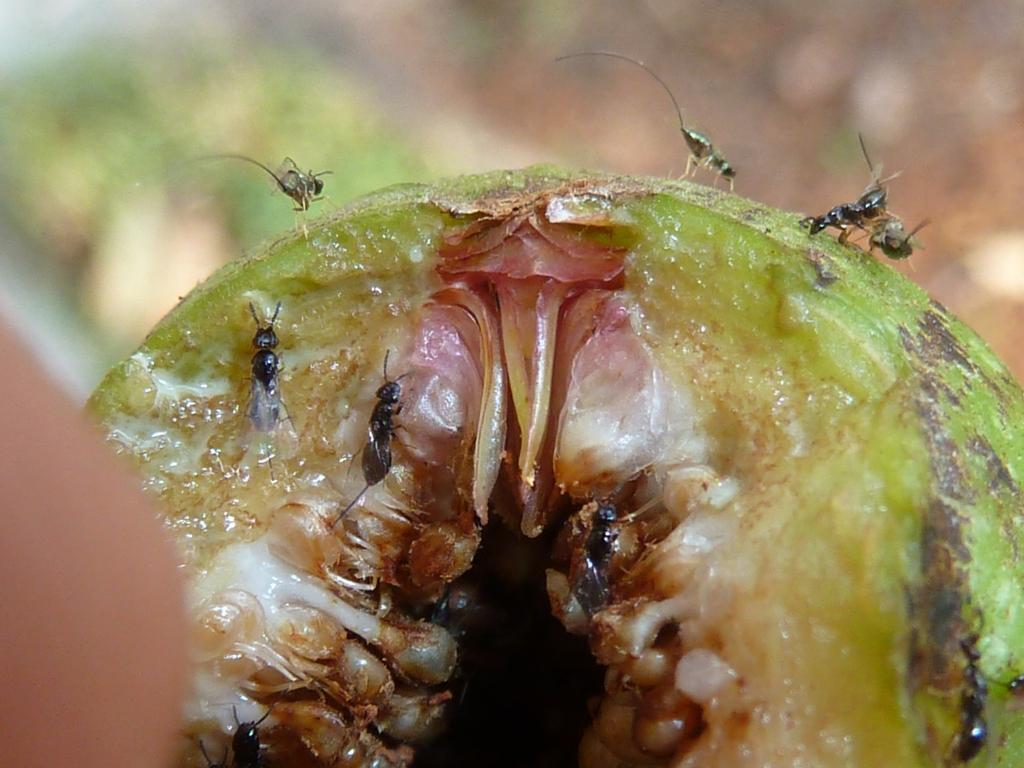
Ficus sur
- Origin
- Africa
- Part used
- See detailed notebook
- Tradition
- Traditional ethnobotany
Ficus sur, a large tree of riverbanks and open forests of sub-Saharan Africa, has long held a special place in village traditions. Its numerous figs, bark, and sap have nourished people as much as they have fed popular herbal uses, passed down from generation to generation. It is often found near water sources, where it is sometimes regarded as a protective tree.
Traditional uses
Digestive and intestinal troubles
The bark, as a decoction, was traditionally used to ease stomach aches and common digestive troubles in several regions of East and southern Africa.
Support for lactation
Some traditions report the use of figs or bark-based preparations to support lactation in breastfeeding women.
Care of wounds and skin conditions
The milky sap and crushed bark have been used locally, applied to wounds, cuts, or skin conditions, according to orally transmitted uses.
Coughing and respiratory conditions
Bark decoctions are mentioned in certain traditional pharmacopeias to calm coughing and mild respiratory discomfort.
What to know before use
The milky sap can irritate the skin or mucous membranes in some people; avoid any contact with the eyes. Internal use of the bark is not recommended without the advice of a professional, as its composition and effects are not sufficiently documented for safe independent use. Not recommended for pregnant or breastfeeding women or young children, in the absence of reliable safety data. Do not combine with medication without discussing it with a health professional, as a precaution.
The detailed notebook
- Prepared as a paste or decoction
- Traditional duration of use
- Known contraindications
- Related species and their uses
Where to find it
Partner herbalists — available with the detailed notebook.
Sources
PFAF