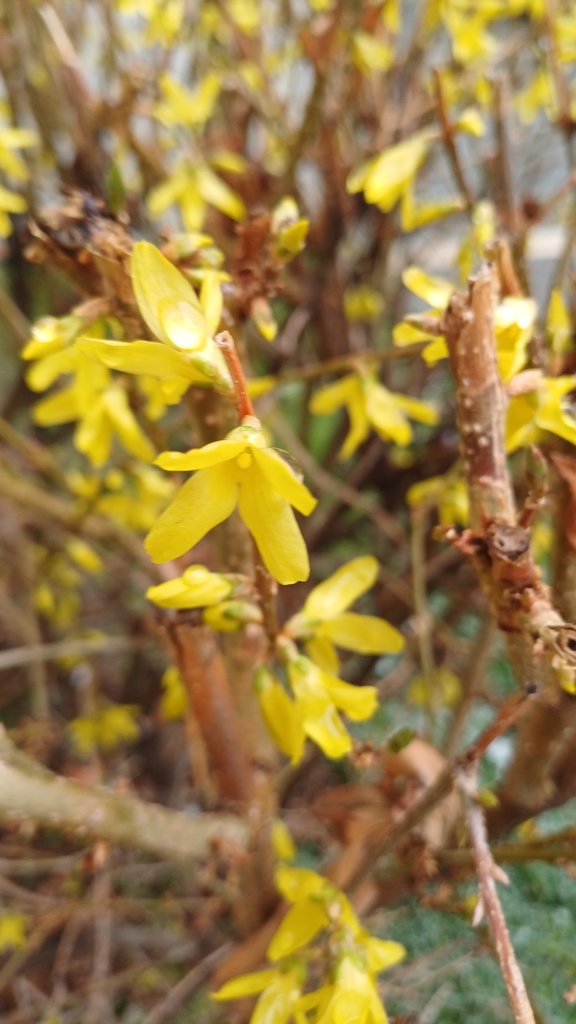
Forsythia suspensa
- Origin
- Asia
- Part used
- Seeds / fruit
- Tradition
- Traditional ethnobotany
In old treatises of Chinese medicine, the fruit of Forsythia suspensa — called Lian Qiao — holds a place of honor among the plants said to "disperse heat." Grown for its early yellow flowers as much as for its virtues, this shrub native to the mountains of East Asia has long been harvested in autumn for its dried fruits. It still features today in numerous traditional pharmacopeia of the Far East.
Traditional uses
Relieving feverish states
Forsythia fruit was traditionally used in China to help with feverish episodes and ailments known as "toxic heat," often combined with other plants in compound decoctions.
Soothing skin eruptions
A traditional use of the fruit is reported to help soothe boils, abscesses, and inflammatory skin eruptions, applied as an external preparation or taken as an internal decoction.
Supporting lymphatic circulation
In Chinese tradition, Lian Qiao is associated with resolving swellings and nodules, particularly around the neck and lymph nodes, within a logic of "dispersing stagnation."
Helping with upper respiratory infections
The fruit was used in traditional preparations intended to help with sore throats and the onset of respiratory infections accompanied by fever.
What to know before use
A plant to be reserved for use supervised by a professional trained in East Asian pharmacopeia; do not self-prescribe a concentrated preparation. Not recommended for pregnant or breastfeeding women, for lack of sufficient safety data. Not recommended in young children without specialist advice. Possible interactions with certain treatments; seek advice if undergoing medication treatment.
The detailed notebook
- Prepared as a paste or decoction
- Traditional duration of use
- Known contraindications
- Related species and their uses
Where to find it
Partner herbalists — available with the detailed notebook.
Sources
PFAF, PubMed