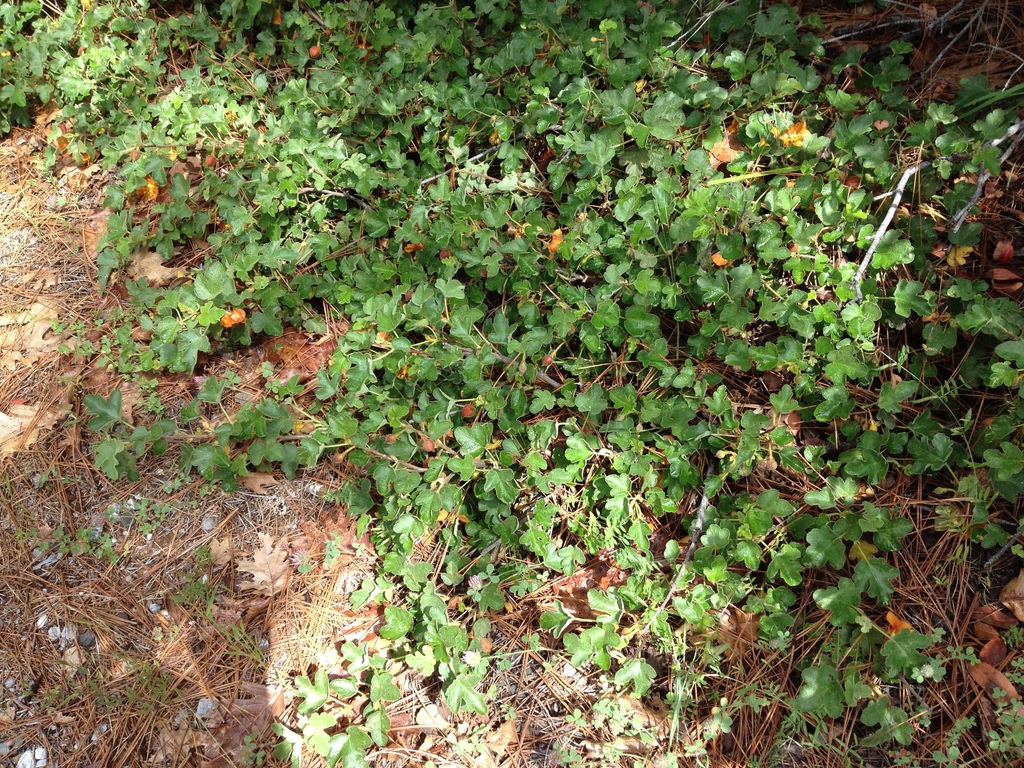
Fremontodendron californicum
- Origin
- North America
- Part used
- See detailed notebook
- Tradition
- Traditional ethnobotany
A shrub with brilliant yellow flowers, Fremontodendron californicum has adorned the arid hills of California and northern Mexico since time immemorial. The Indigenous peoples of these regions knew this plant well, less for its medicinal virtues than for the precautions it demands, notably because of the irritating hairs covering its capsules and leaves.
Traditional uses
A traditional bark poultice
Some local traditions report the use of inner bark ground into a paste to soothe minor skin irritations, though this use remains poorly documented and anecdotal.
Utilitarian fibers and wood
The supple wood and bark fibers were traditionally used by certain Indigenous groups for making cordage or small woven objects, more than for internal use.
A plant of hedgerows and dry soils
Beyond any documented therapeutic use, Fremontodendron was valued above all for its ornamental presence and its ability to stabilize poor, sloping soils.
Before you use it
The fine hairs covering the capsules, leaves, and young stems are strongly irritating on contact with skin, eyes, and the respiratory tract: direct handling of the fresh plant is discouraged without protection. No internal preparation is currently well documented or recommended for this species; the known traditional use concerns mainly the bark and wood for external or utilitarian purposes. In case of accidental contact with the irritating hairs, rinse thoroughly and consult a health professional if irritation persists. This plant should not be consumed or used without the advice of a herbalist or qualified health professional, for lack of sufficient traditional documentation on its internal safety.
The detailed notebook
- Prepared as a paste or decoction
- Traditional duration of use
- Known contraindications
- Related species and their uses
Where to find it
Partner herbalists — available with the detailed notebook.
Sources
PFAF