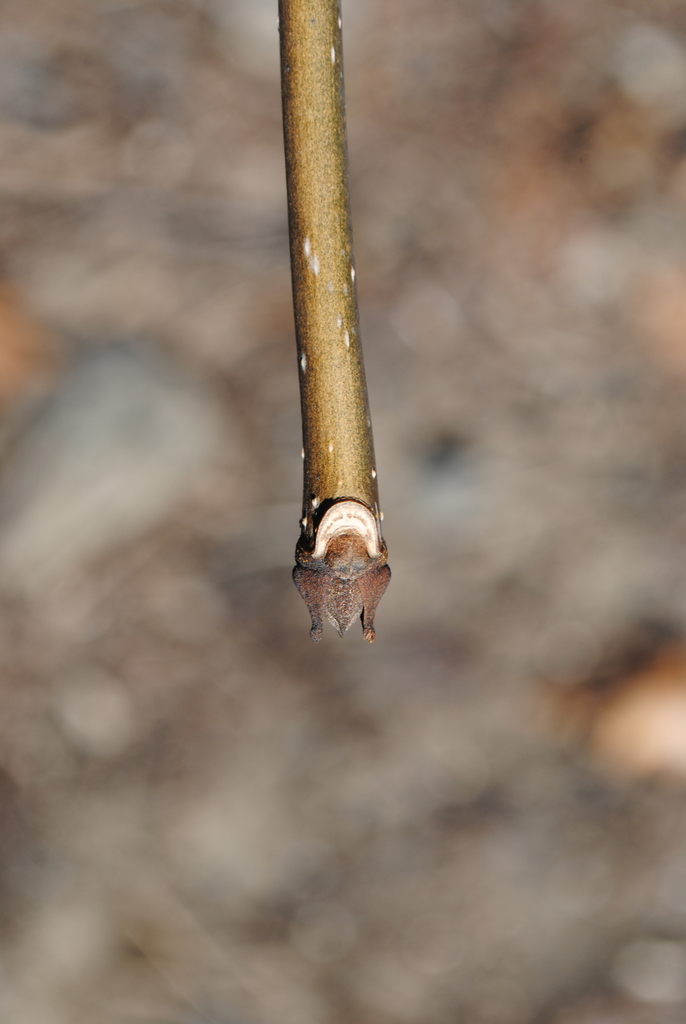
white ash
- Origin
- North America
- Part used
- See detailed notebook
- Tradition
- Traditional ethnobotany
A large tree of North American forests, white ash was honored by several Indigenous peoples who used its bark and leaves in traditional pharmacopoeia. Its wood, prized for its flexibility, was also used to make tools and bows, while the tree itself held a place in the everyday botanical practices of forest communities.
Traditional uses
Traditional support for the liver
White ash bark was used as a decoction in certain North American folk traditions to accompany digestive and liver function.
Relief of joint pain
Leaves and bark were traditionally used externally or as a decoction to relieve joint and muscle discomfort.
An old fever-reducing use
Like other ash species rich in bitter principles, the bark was sometimes used as a tisane to accompany feverish states.
Traditional care for skin ailments
Certain Indigenous communities applied preparations from leaves or bark to the skin to soothe irritation and minor wounds.
Before you use it
Avoid prolonged internal use without the advice of a health professional, as the bark contains compounds whose long-term effects are poorly documented. Not advised for pregnant or breastfeeding women as a precaution, for lack of sufficient data. Do not use in children without medical advice. People undergoing medication treatment should seek advice before any use, owing to potential interactions that are poorly studied.
The detailed notebook
- Prepared as a paste or decoction
- Traditional duration of use
- Known contraindications
- Related species and their uses
Where to find it
Partner herbalists — available with the detailed notebook.
Sources
Wikipedia