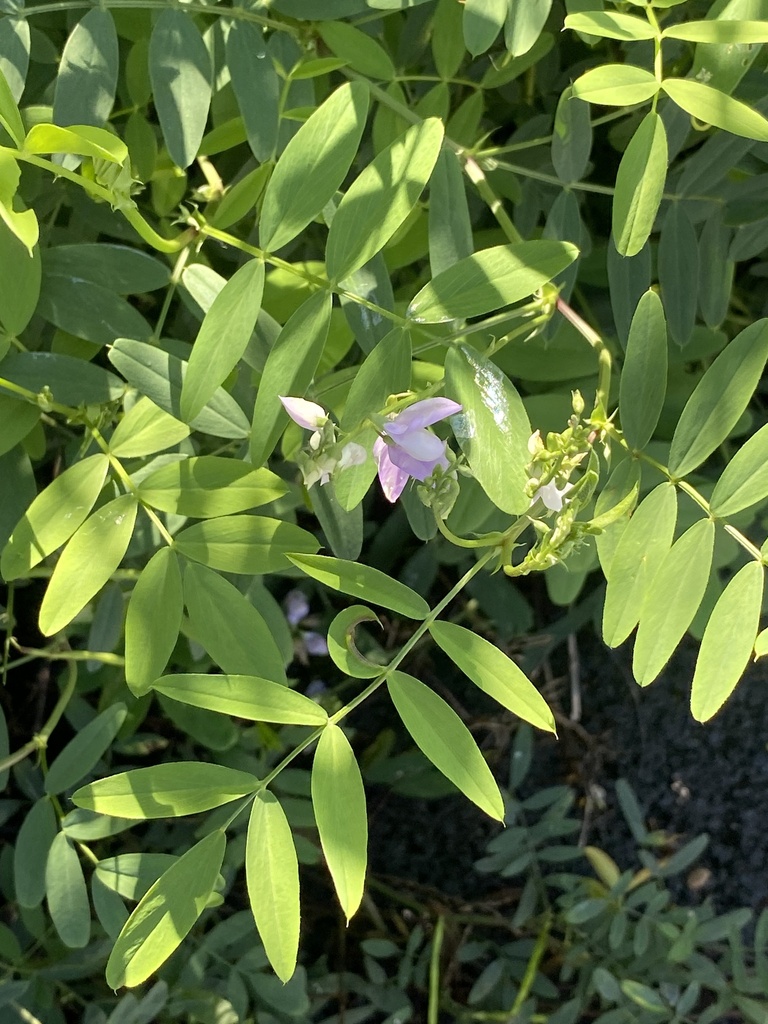
Goat's Rue
- Origin
- Asia
- Part used
- See detailed notebook
- Tradition
- Traditional ethnobotany
Galéga, a herbaceous plant of damp meadows and riverbanks, owes its name to the Greek "gala" (milk), echoing an ancestral use to promote lactation in nursing women and livestock. Cultivated for centuries in Europe and Asia, it was long observed by farmers for its effect on dairy cows before interesting herbalists. This plant is best known today for its history linked to the discovery of compounds behind modern diabetes treatments.
Traditional uses
Traditional support in cases of fatigue
The plant was traditionally used to help with general fatigue states, particularly during convalescence or breastfeeding periods demanding in energy.
Promoting lactation
The most documented historical use: goat's rue was given to wet nurses and nursing mothers to stimulate milk production, a use reported since the Middle Ages in several regions of Europe.
Traditional regulation of blood sugar
In certain folk traditions, goat's rue infusion was used empirically to help with a constitution considered prone to excess sugar, before its compounds inspired modern pharmaceutical research.
Ancient veterinary and forage use
Historically grown as a forage plant, it was also given to livestock for its reported effects on milk production in cows and goats.
What to know before use
A plant to be handled with caution: it contains powerful active substances that can interact with antidiabetic treatments, causing a risk of hypoglycemia. Not recommended for pregnant women due to a lack of safety data and a possible effect on metabolism and circulation. Use in children is not sufficiently documented and should be avoided. Consultation with a health professional is essential before any use, particularly in cases of ongoing medication treatment or chronic illness.
The detailed notebook
- Prepared as a paste or decoction
- Traditional duration of use
- Known contraindications
- Related species and their uses
Where to find it
Partner herbalists — available with the detailed notebook.
Sources
PFAF, Wikipedia