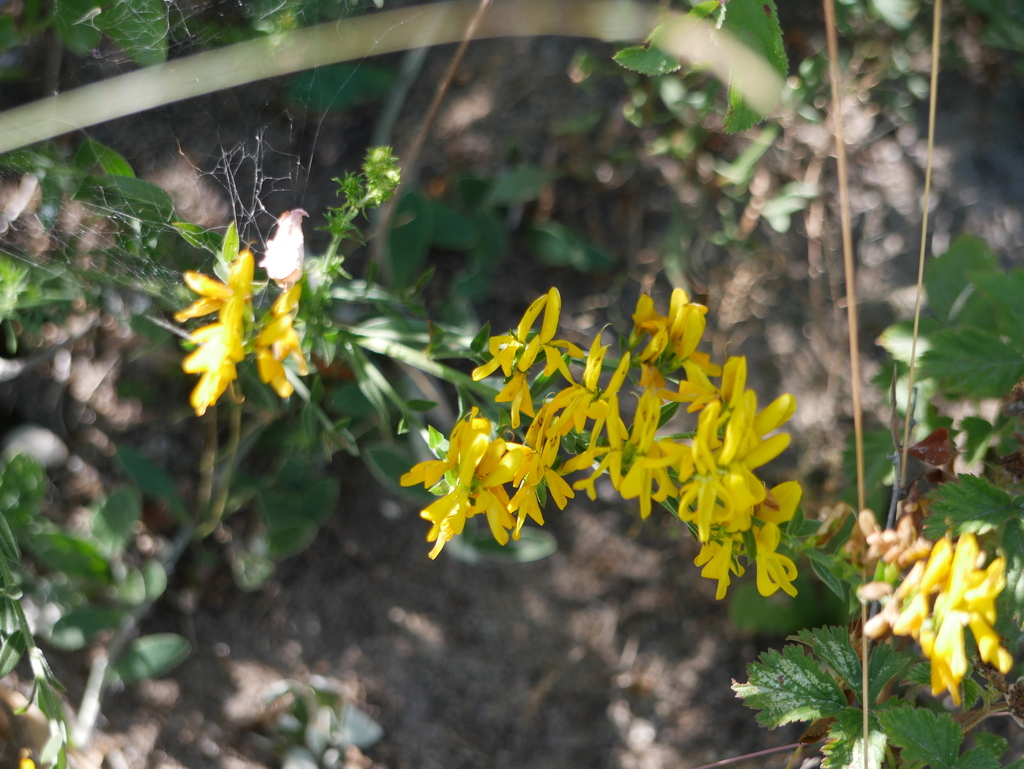
Dyer's greenweed
- Origin
- Europe
- Part used
- See detailed notebook
- Tradition
- Traditional ethnobotany
Dyer's greenweed, a modest shrub of Europe's moors and hillsides, owes its name to the dyers who, since the Middle Ages, drew a brilliant yellow from its flowers and young stems to color wool and fabric. Old-time herbalists also credited it, with caution, with a few purgative and diuretic virtues, now relegated to the rank of historical curiosity.
Traditional uses
A traditional yellow dye
The flowering tops and young branches had been used for centuries to dye wool, linen, and cotton yellow, alone or mixed with other plants to obtain greens.
An old diuretic use
Folk tradition reports an occasional use of dyer's greenweed to promote urinary elimination, a use now largely abandoned in favor of better-documented plants.
A reported purgative effect
Some old herbal records mention a purgative use at low doses, reserved for experienced hands due to the presence of active alkaloids.
Old empirical observations
Isolated folk uses suggest an effect on heart rhythm, though this does not constitute a widespread or currently recommended practice.
Before you use it
A plant containing quinolizidine alkaloids (including cytisine) that can be toxic; never exceed the reported traditional uses without professional advice. Strictly not advised for pregnant or breastfeeding women, or for children, due to potential hormonal and toxic effects. Possible interactions with cardiovascular treatments and blood-pressure medications; seek medical advice before any internal use. Do not confuse with other brooms or ornamental legumes, some species being even more toxic.
The detailed notebook
- Prepared as a paste or decoction
- Traditional duration of use
- Known contraindications
- Related species and their uses
Where to find it
Partner herbalists — available with the detailed notebook.
Sources
PFAF