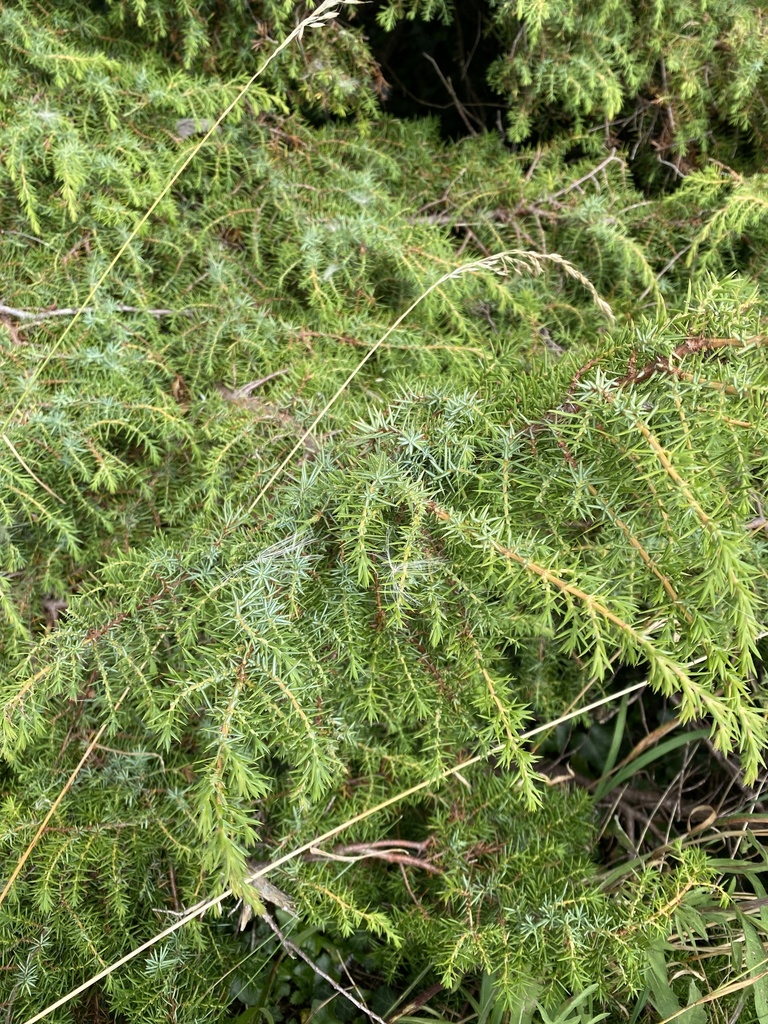
Common Juniper
- Origin
- Europe
- Part used
- Leaves, Root
- Tradition
- Traditional ethnobotany
In old European herbals, common juniper was regarded as a precious ally of rural homes, its blue-tinged berries and fragrant wood burned to purify the air of thatched cottages. A shrub of moorlands and mountains, it found its way into both the kitchen and the folk remedies passed down from one generation to the next.
Traditional uses
Support for heavy digestion
Juniper berries were traditionally chewed or infused after a heavy meal, to accompany digestion thought to be sluggish.
Traditional cleansing tea
Leaves and berries went into folk teas reputed to promote urinary elimination, as part of a seasonal ‘cleansing’ approach.
Purifying rubs and fumigations
Wood and twigs were burned as fumigation inside homes, and decoctions of root or twigs were sometimes used as rubs on aching joints.
Traditional winter inhalations
The vapors of a twig or berry decoction were sometimes inhaled during seasonal chills, according to mountain folk customs.
Before you use it
Formally not recommended during pregnancy: juniper is traditionally reported as a uterine stimulant and emmenagogue. Prolonged use or high doses should be avoided, due to a risk of kidney irritation; not recommended in cases of kidney insufficiency or inflammatory kidney disease. To be avoided in children and during ongoing medication, without a healthcare professional's advice. Do not confuse with other Juniperus species, some of which are toxic (e.g., savin juniper).
The detailed notebook
- Prepared as a paste or decoction
- Traditional duration of use
- Known contraindications
- Related species and their uses
Where to find it
Partner herbalists — available with the detailed notebook.
Sources
PFAF, Wikipedia