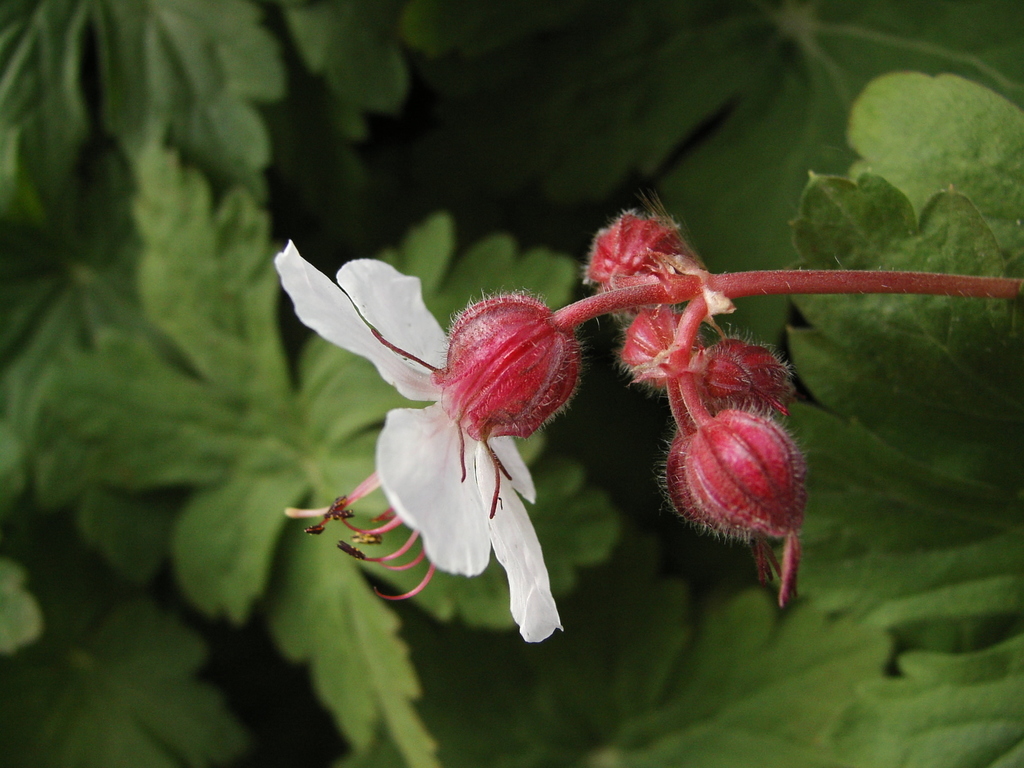
Geranium macrorrhizum
- Origin
- Europe
- Part used
- Flowers
- Tradition
- Traditional ethnobotany
In the gardens of the Balkan mountains, bigroot geranium scents the air with its aromatic leaves the moment they are brushed. The people of these regions grew it as much to adorn embankments as to draw floral water and scented ointments from it. A discreet cousin of ornamental geraniums, it holds a modest but constant place in the folk uses of Eastern Europe.
Traditional uses
Traditional skin care
Floral water and flower macerates were traditionally applied to soothe and refresh the skin, particularly after sun exposure or minor everyday irritation.
Fragrance and household wellness
Widely used in Bulgaria and the Balkans for its spicy scent close to that of rose geranium, it went into homemade toilet waters and sachets scenting linens, said to soothe the mind.
Light digestive use
A light infusion of the flowers was sometimes drunk at the end of a meal in certain folk traditions, for its gentle, refreshing digestive effect.
Keeping insects away
The crushed leaves and flowers were traditionally used in mountain homes as a natural repellent against certain insects, particularly moths.
Before you use it
No solid data exists on the use of this plant during pregnancy or breastfeeding: avoid as a precaution. Essential oils or concentrated extracts should not be ingested without the advice of a qualified professional. A prior skin test is recommended before any external application, given its fragrance rich in aromatic compounds. In case of doubt or ongoing medical treatment, seek advice from a pharmacist or trained herbalist.
The detailed notebook
- Prepared as a paste or decoction
- Traditional duration of use
- Known contraindications
- Related species and their uses
Where to find it
Partner herbalists — available with the detailed notebook.
Sources
PFAF, Wikipedia