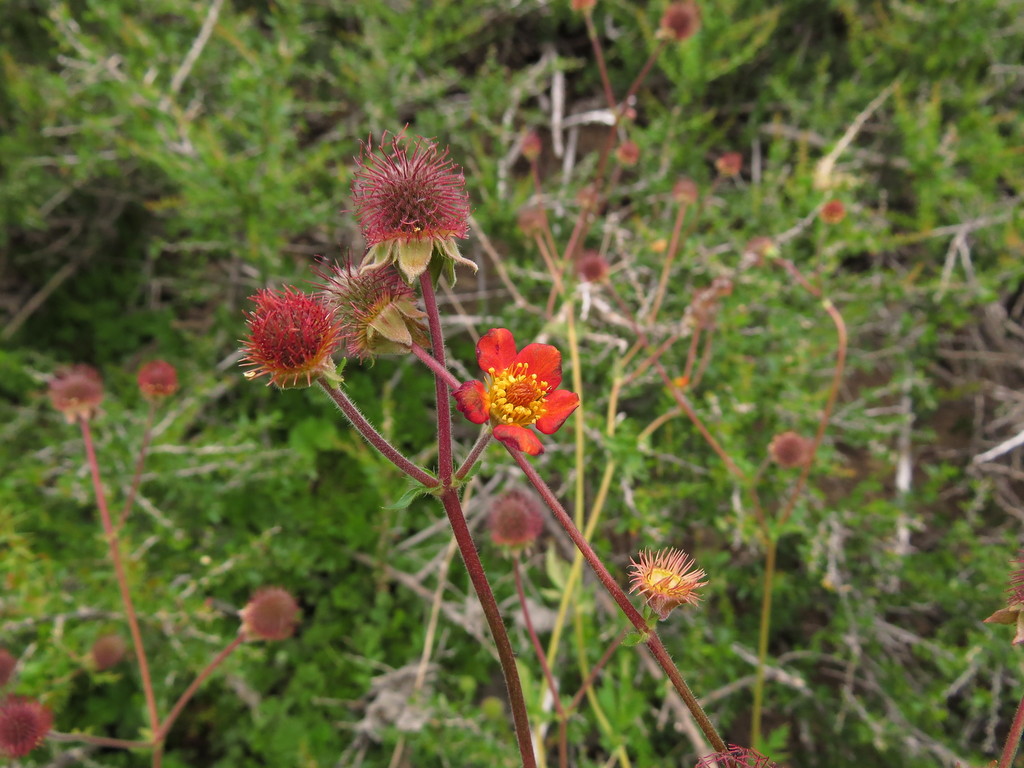
Geum quellyon
- Origin
- South America
- Part used
- See detailed notebook
- Tradition
- Traditional ethnobotany
On the high plateaus and valleys of South America, the red root of Geum quellyon, sometimes called “hierba del clavo” or Chilean avens, was esteemed among the remedies of Andean tea-makers. Its slightly astringent flavor and scent reminiscent of clove earned it a discreet but lasting place in local folk pharmacopoeias.
Traditional uses
Traditional digestive support
The root was traditionally infused to accompany slow or heavy digestion, in the manner of other astringent, aromatic South American roots.
Use for mild intestinal troubles
Folk tea-makers credited it with soothing properties for minor intestinal discomfort, notably thanks to its natural tannins.
A traditional gargle
Owing to its clove-like taste and astringent properties, the root was sometimes used as a decoction for traditional gargles.
A soothing external use
Some folk traditions report the use of root decoction as an external wash for irritated skin, though this use is not widely documented.
What to know before use
A traditional use poorly documented in Western scientific literature: seek the advice of a health professional before any use. Avoid in pregnant or breastfeeding women for lack of safety data. Do not exceed the reported traditional doses and avoid prolonged use without the advice of a qualified herbalist. Discontinue in case of digestive discomfort or unusual reaction.
The detailed notebook
- Prepared as a paste or decoction
- Traditional duration of use
- Known contraindications
- Related species and their uses
Where to find it
Partner herbalists — available with the detailed notebook.
Sources
PFAF, Wikipedia