Ginkgo
- Origin
- Asia
- Part used
- Leaves
- Tradition
- Traditional ethnobotany
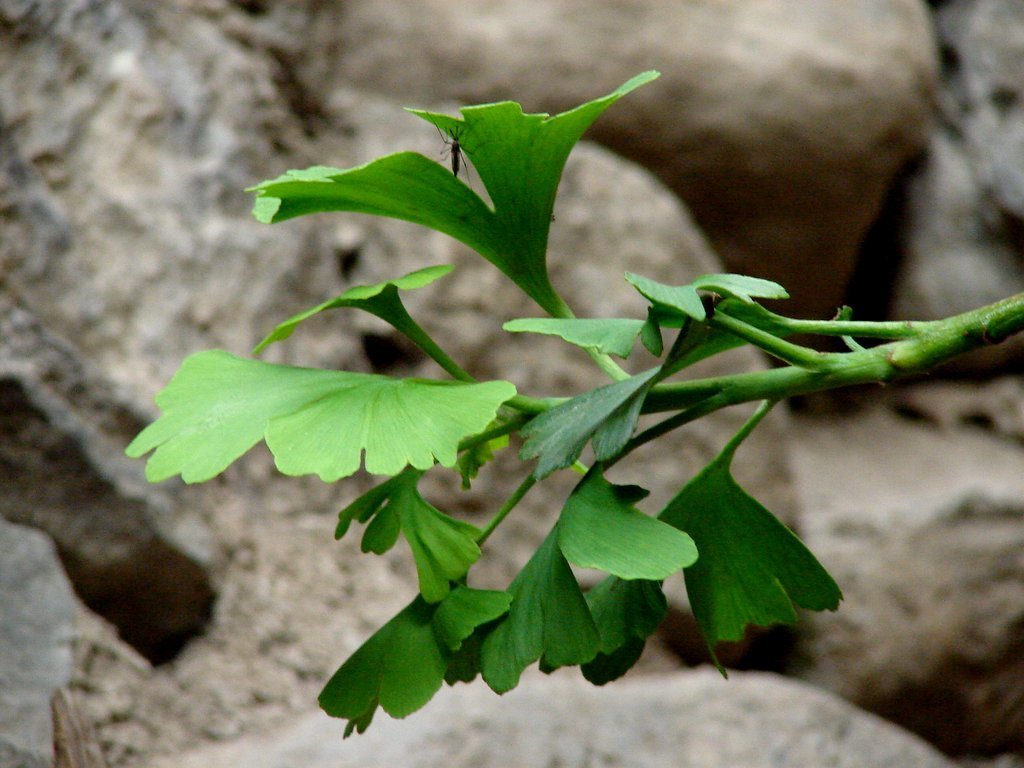
Ginkgo biloba, a thousand-year-old tree from China, is often hailed as a living fossil that has crossed the ages with little change. Its fan-shaped leaves, used for centuries in Chinese tradition, have accompanied the ancients in caring for memory and breathing. Even today, this venerable tree inspires respect and curiosity, both in gardens and in the notebooks of herbalists.
Traditional uses
What to know before use
Ginkgo may interact with anticoagulant or antiplatelet treatments (increased risk of bleeding): medical advice is essential before any use. Not recommended for people with coagulation disorders or about to undergo surgery. Not recommended for pregnant or breastfeeding women, for lack of sufficient data. Ginkgo seeds (nuts), distinct from the leaves, are toxic and must not be eaten without expert preparation.
The detailed notebook
- Prepared as a paste or decoction
- Traditional duration of use
- Known contraindications
- Related species and their uses
Where to find it
Partner herbalists — available with the detailed notebook.
Sources
Wikipedia