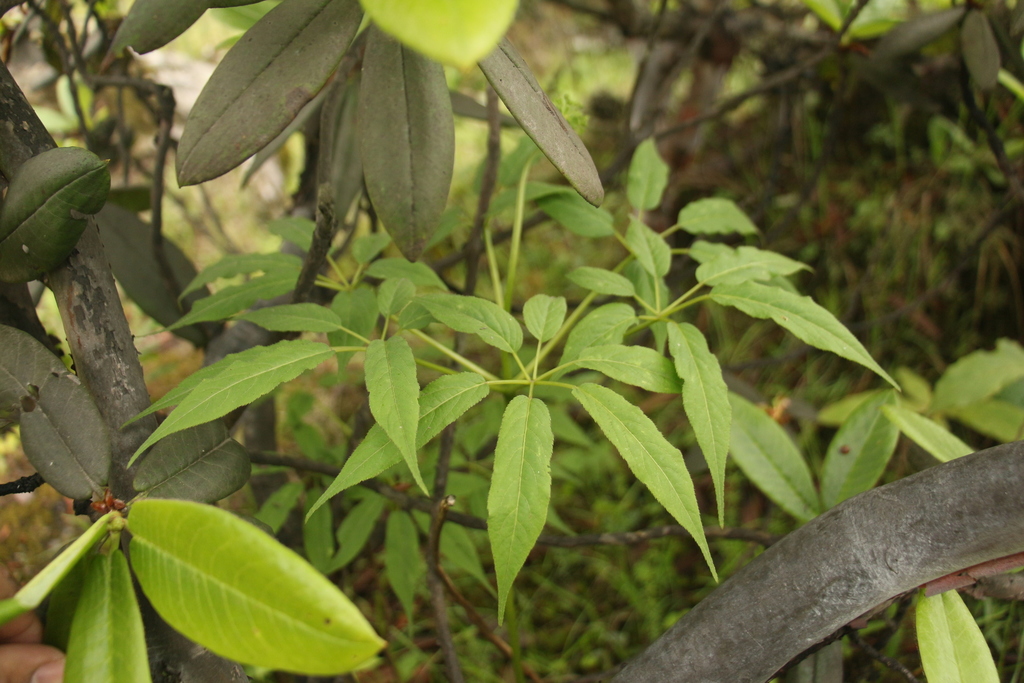
Ginseng
- Origin
- Asia
- Part used
- See detailed notebook
- Tradition
- Traditional ethnobotany
A precious root from the mountains of Manchuria and Korea, Ginseng (Panax ginseng) has been revered for millennia in Chinese pharmacopeia as the noblest of tonic roots. It was once nicknamed "man-root," so much did its very shape evoke the vitality attributed to it. Long reserved for emperors and scholars, it embodied the very symbol of longevity.
Traditional uses
Support for general energy
Traditionally considered a great so-called "adaptogenic" tonic, Ginseng was used to support the body against fatigue and periods of prolonged exhaustion.
Mental clarity and memory
Traditional Chinese scholars saw it as a support for intellectual sharpness and memory, particularly during periods of study or mental fatigue.
Support for recovery
In traditional Chinese medicine, the root was given to people weakened after an illness or childbirth, to help restore strength.
Vigor and endurance
Ginseng was also long reputed to support physical endurance and male vigor, a use widely passed down in Asian tradition.
What to know before use
Not recommended during pregnancy and breastfeeding due to its potentially hormonal action. May interact with medication treatments, particularly anticoagulants, antidiabetics, and certain antidepressants: prior medical advice is essential. Not recommended in children, or in cases of hypertension or heart trouble, without the advice of a health professional. Prolonged or excessive-dose use can cause nervousness, insomnia, or digestive trouble; it is traditionally advised not to use it continuously over long periods.
The detailed notebook
- Prepared as a paste or decoction
- Traditional duration of use
- Known contraindications
- Related species and their uses
Where to find it
Partner herbalists — available with the detailed notebook.
Sources
PFAF