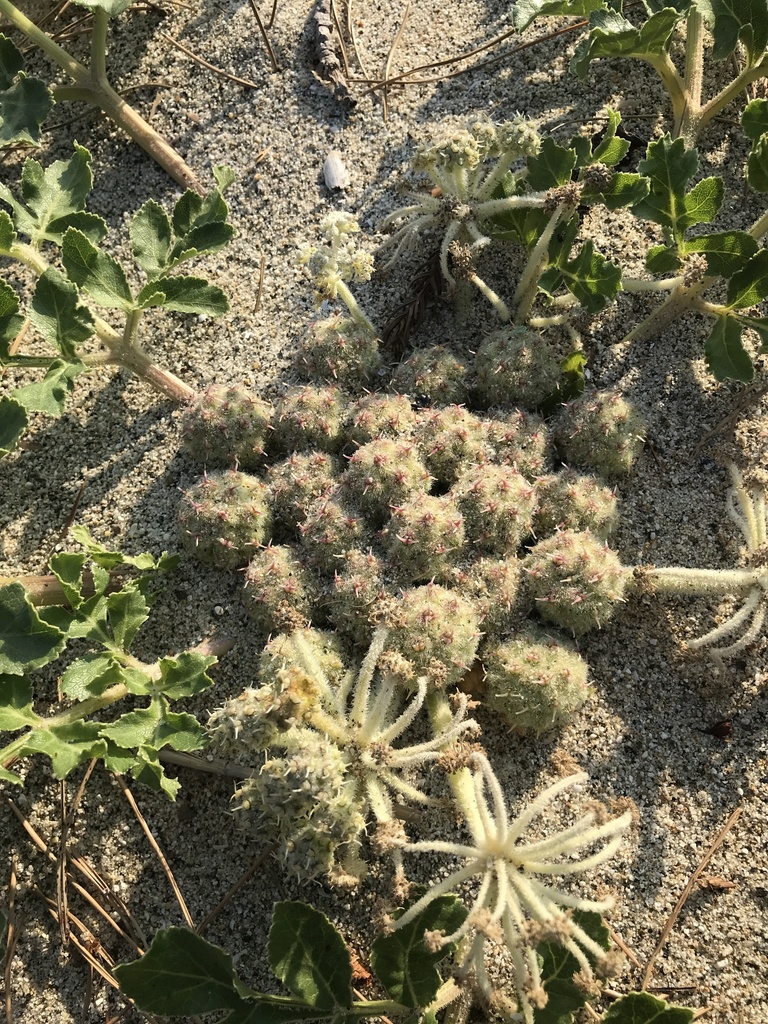
Glehnia
- Origin
- Asia
- Part used
- See detailed notebook
- Tradition
- Traditional ethnobotany
On the sandy shores of China, Korea, and Japan grows a discreet umbellifer, Glehnia, known in traditional Chinese medicine as Bei Sha Shen. Its white, fibrous root has been harvested and dried for centuries, considered by traditional herbalists a cooling plant, soothing dryness of the body.
Traditional uses
Soothing dry cough
Traditionally used in China to moisten the airways and calm persistent dry coughs, often associated with lung heat according to traditional Chinese medicine.
Support for digestive dryness
The root was used to nourish bodily fluids and relieve a sensation of dry mouth or excessive thirst, particularly after a fever.
A fortifier after feverish exhaustion
In Chinese and Korean pharmacopeia, Bei Sha Shen was used in preparations intended to restore strength after a prolonged feverish illness.
Traditional use on dry skin
More rarely, decoctions were applied externally to soothe dry skin, as a complement to internal use.
What to know before use
Not recommended during pregnancy and breastfeeding in the absence of sufficient safety data. Avoid in cases of a cold or cough with abundant, cold phlegm, as it is traditionally considered unsuited to "cold" syndromes according to Chinese medicine. Possible interactions with certain treatments; the advice of a practitioner qualified in herbal medicine or traditional Chinese medicine is recommended before any prolonged use. Do not confuse with other similar-looking umbellifer roots, as certain species in this family are toxic.
The detailed notebook
- Prepared as a paste or decoction
- Traditional duration of use
- Known contraindications
- Related species and their uses
Where to find it
Partner herbalists — available with the detailed notebook.
Sources
PFAF