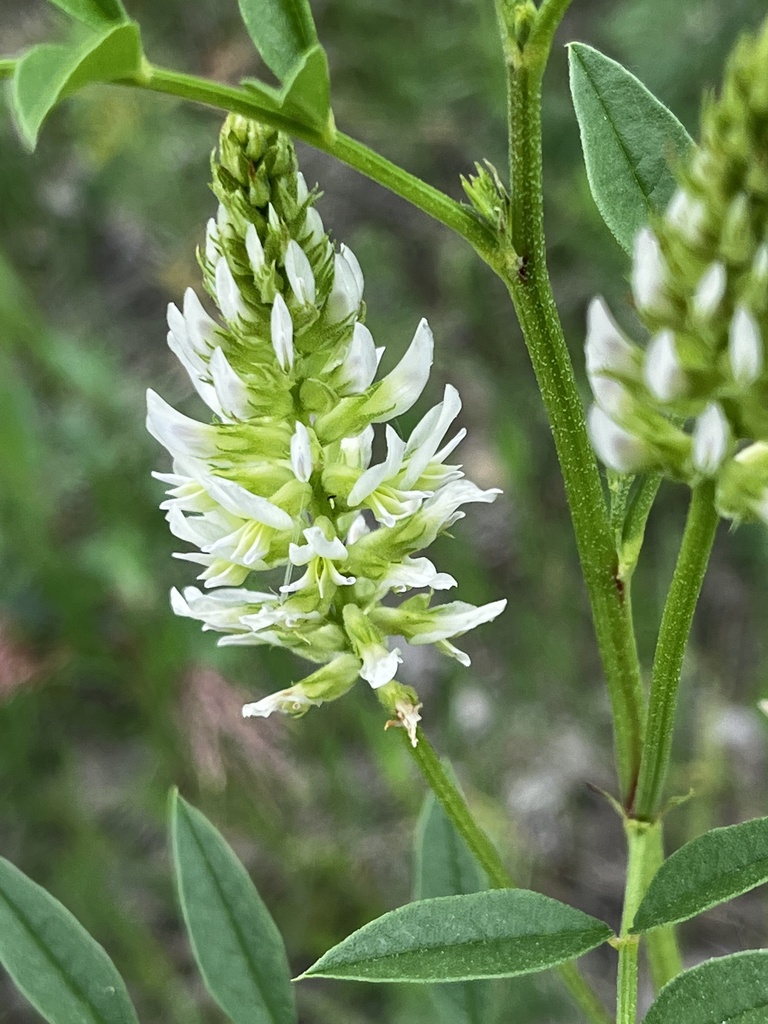
Glycyrrhiza lepidota
- Origin
- North America
- Part used
- See detailed notebook
- Tradition
- Traditional ethnobotany
A wild cousin of European licorice, Glycyrrhiza lepidota grew along rivers and wet prairies of North America, where the Indigenous peoples of the Plains and the West had long known it. Its root, with a sweetish flavor, held a discreet but steady place in traditional uses, both domestic and medicinal.
Traditional uses
Easing stomach ache
The root was traditionally chewed or infused to relieve stomach pain and mild digestive trouble, according to uses reported among several Indigenous nations.
Soothing cough and throat
As a decoction, the root was used to calm coughing and throat irritation, in the manner common licorice is used in Europe.
Care for wounds and skin ailments
Poultices of crushed root or leaves were sometimes applied to wounds, boils, or stings, according to certain Plains traditions.
Support for reproductive health
Certain traditions report a use of the root in connection with menstrual pain or the postpartum period, though these uses remain poorly documented in detail.
Before you use it
Discouraged during pregnancy or breastfeeding, owing to a traditional use linked to women's health that is insufficiently documented and potentially risky. To be avoided in cases of high blood pressure, heart disease, or kidney trouble, by analogy with common licorice, which can cause water retention and potassium imbalances. Prolonged or high-dose use is discouraged without the advice of a health professional. Possible interactions with certain medication treatments (diuretics, cardiac treatments); seek advice before any regular use.
The detailed notebook
- Prepared as a paste or decoction
- Traditional duration of use
- Known contraindications
- Related species and their uses
Where to find it
Partner herbalists — available with the detailed notebook.
Sources
Wikipedia