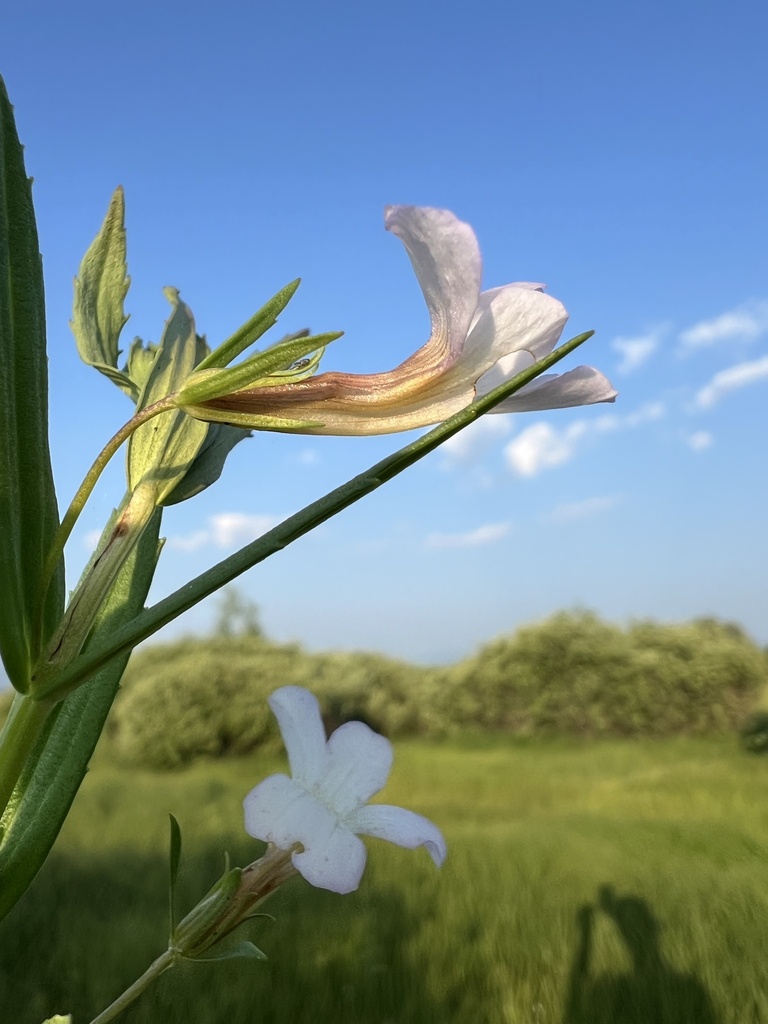
Gratiola officinalis
- Origin
- Europe
- Part used
- See detailed notebook
- Tradition
- Traditional ethnobotany
Gratiole (Gratiola officinalis), sometimes nicknamed "poor man's herb" in certain corners of rural Europe, was once regarded with particular caution by the old herbalists. Growing in damp meadows and ditches, this unassuming plant long occupied an ambiguous place between remedy and feared poison. Its traditional use, largely abandoned today, belongs above all to the history of folk pharmacopoeia.
Traditional uses
Old traditional purgative
Gratiole was once used as a powerful purgative in rural Europe, reserved for occasional, carefully supervised use because of its potency.
Historical diuretic use
The old herbalists credited it with diuretic properties, used very sparingly to relieve excess water in the body.
Reported use with animals
Some old country notebooks mention a traditional veterinary use of the plant, particularly for livestock, though this practice remains poorly documented.
Historical use, now discouraged
Although a few old sources mention its use in children against certain intestinal worms, this use is now considered dangerous and has been abandoned by serious herbal tradition.
Before you use it
Toxic at an unsuitable dose: never self-administer gratiole without the advice of a qualified professional. Strictly discouraged for pregnant or breastfeeding women because of known risks. Contraindicated in children, despite some historical mentions to the contrary, because of its digestive toxicity. Medical consultation is essential before any use, as the margin between an active and a toxic dose is very narrow.
The detailed notebook
- Prepared as a paste or decoction
- Traditional duration of use
- Known contraindications
- Related species and their uses
Where to find it
Partner herbalists — available with the detailed notebook.
Sources
PFAF, PubMed