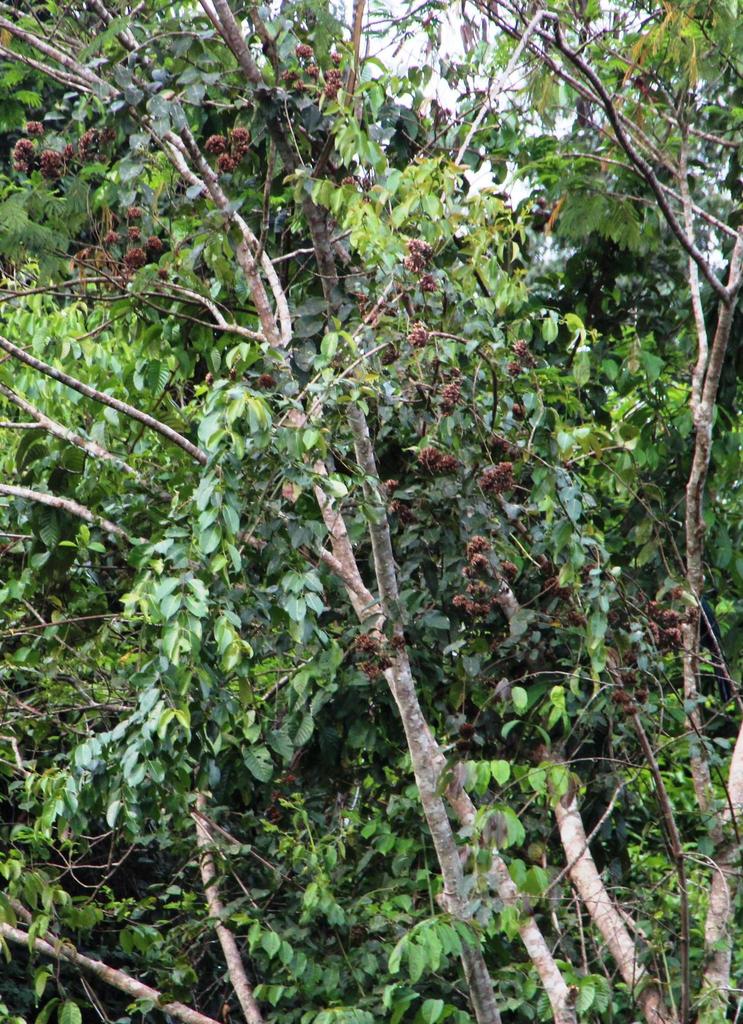
Cat's claw
- Origin
- South America
- Part used
- See detailed notebook
- Tradition
- Traditional ethnobotany
Native to the forests of Amazonia, cat's claw takes its name from the curved thorns on its stem that allow it to cling to surrounding trees. Andean and Amazonian peoples, notably the Ashaninka, traditionally used its bark for generations, regarding it as a precious liana within their pharmacopoeia. It was later studied and exported from the twentieth century onward, gaining a reputation that today extends far beyond its continent of origin.
Traditional uses
Traditional support for the body's natural defenses
Cat's claw bark was traditionally used by Amazonian healers to support the body during periods of fatigue or convalescence.
Ancestral joint comfort
Andean tribes used a bark decoction to soothe joint discomfort and stiffness, a use that is today among the most documented for this plant.
Soothing the digestive system
Traditionally, the liana was consumed to calm certain digestive and intestinal discomforts within forest communities.
Traditional use against inflammation
Recognized by folk herbalists as a soothing plant, it accompanied various ailments associated with diffuse inflammation in the body.
What to know before use
Not recommended for pregnant or breastfeeding women owing to its traditional use linked to hormonal properties and insufficient safety data. To be avoided in cases of immunosuppressive or anticoagulant treatment or before surgery, owing to possible interactions. Not recommended for people with autoimmune diseases or coagulation disorders without prior medical advice. Prolonged or high-dose use is not documented as safe: professional advice is recommended before any course of treatment.
The detailed notebook
- Prepared as a paste or decoction
- Traditional duration of use
- Known contraindications
- Related species and their uses
Where to find it
Partner herbalists — available with the detailed notebook.
Sources
PFAF