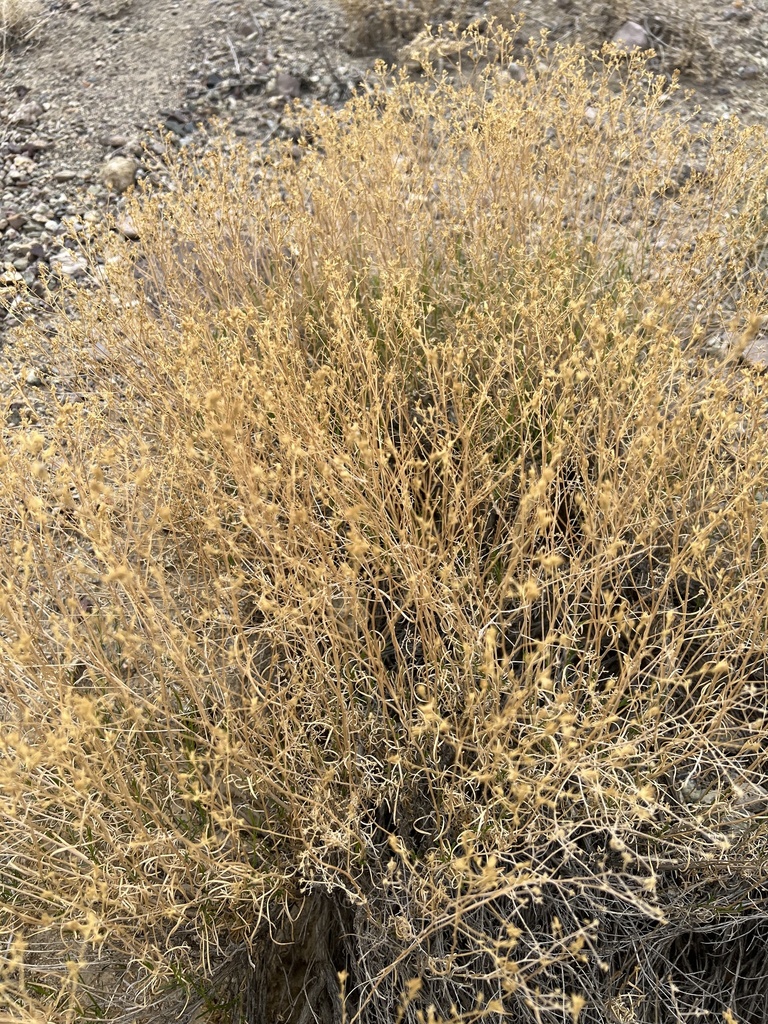
Gutierrezia microcephala
- Origin
- North America
- Part used
- Flowers
- Tradition
- Traditional ethnobotany
On the arid lands of the North American Southwest, Indigenous peoples knew this small yellow plains sagebrush well, sometimes called "snakeweed" by settlers. Gutierrezia microcephala grew abundantly on dry, rocky soils, and its use owed more to local empirical knowledge than to a widely shared pharmacopoeia. The flowers, gathered in the warm season, traditionally served a few simple preparations, passed down through generations in certain Amerindian communities.
Traditional uses
Easing mild digestive trouble
Certain Amerindian communities of the American Southwest used a light infusion of the flowers to relieve occasional digestive discomfort.
Traditional care for stings and irritation
The flowers were sometimes applied externally as a poultice to relieve insect stings or minor skin irritation.
A traditional use linked to the female cycle
Some ethnobotanical sources report a traditional use of the plant in connection with menstrual cycles, a use that today calls for the greatest caution.
Traditional fumigations
The dried plant was sometimes burned as a fumigation in certain ritual practices or to clear the airways, according to poorly documented local uses.
Before you use it
A plant poorly documented in modern pharmacology: to be handled with great caution and for informational purposes only. Certain species of the genus Gutierrezia are known for their potential toxicity to livestock, which calls for the greatest reserve regarding unsupervised human use. Formally discouraged for pregnant or breastfeeding women owing to a traditional use mentioned in connection with the female cycle, not scientifically validated. It is essential to consult a health professional or a qualified herbalist before any internal use, as no safe dosage has been established.
The detailed notebook
- Prepared as a paste or decoction
- Traditional duration of use
- Known contraindications
- Related species and their uses
Where to find it
Partner herbalists — available with the detailed notebook.
Sources
PFAF, Wikipedia