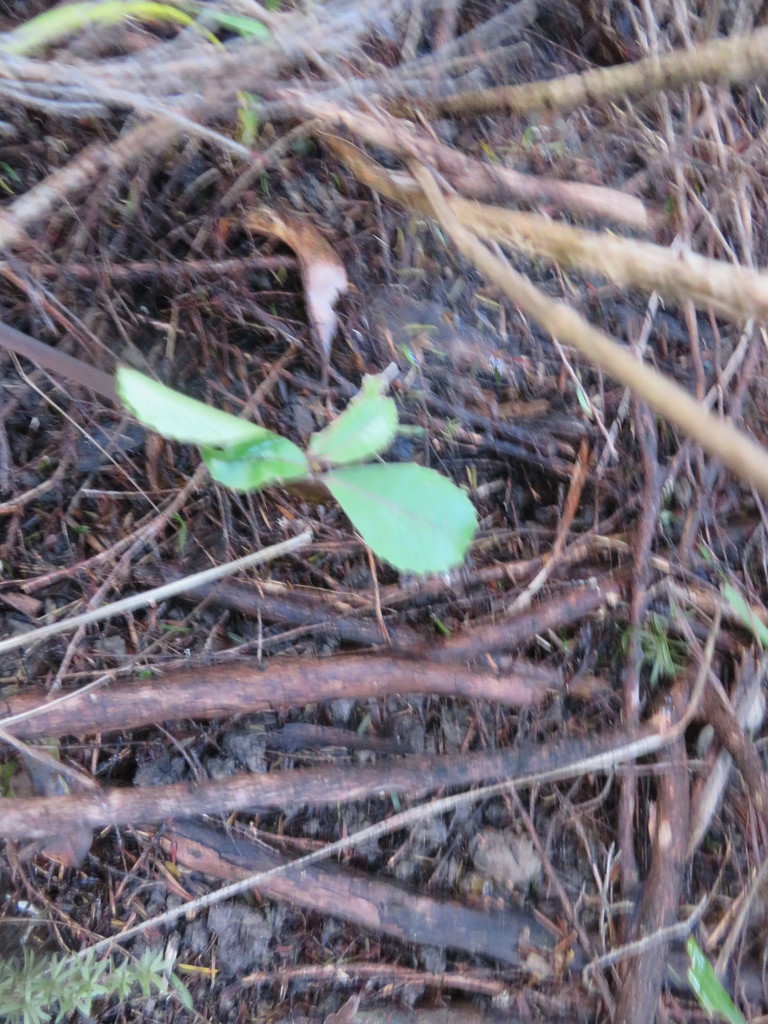
Hedycarya arborea
- Origin
- Oceania
- Part used
- Leaves
- Tradition
- Traditional ethnobotany
Hedycarya arborea, known to the Maori as "pigeonwood" or porokaiwhiri, is a tree endemic to New Zealand's rainforests. The leaves of this discreet tree held a place in traditional Maori pharmacopoeia, passed down orally from generation to generation. Its name evokes the native pigeon (kereru), a great lover of its fruit.
Traditional uses
Traditional wound care
The crushed or ground leaves were traditionally applied to the skin to accompany the healing of small wounds or irritations, according to uses reported by Maori healers.
Traditional internal use
A leaf preparation is said to have been used occasionally in certain traditional practices to soothe mild digestive troubles, although the documentation remains limited.
Ritual and medicinal use intertwined
Like many plants of Maori pharmacopoeia (rongoa), Hedycarya arborea was sometimes used in a context where physical care and spiritual dimension were closely linked.
Before you use it
Western documentation on this plant remains rare and fragmentary; any use should be undertaken with the greatest caution. Do not self-administer a preparation from this plant without the advice of a health professional or a qualified traditional practitioner. Avoid any use during pregnancy or breastfeeding, or in children, for lack of sufficient safety data. In case of doubt about botanical identification, abstain: several New Zealand forest species can be confused.
The detailed notebook
- Prepared as a paste or decoction
- Traditional duration of use
- Known contraindications
- Related species and their uses
Where to find it
Partner herbalists — available with the detailed notebook.
Sources
PFAF, Wikipedia