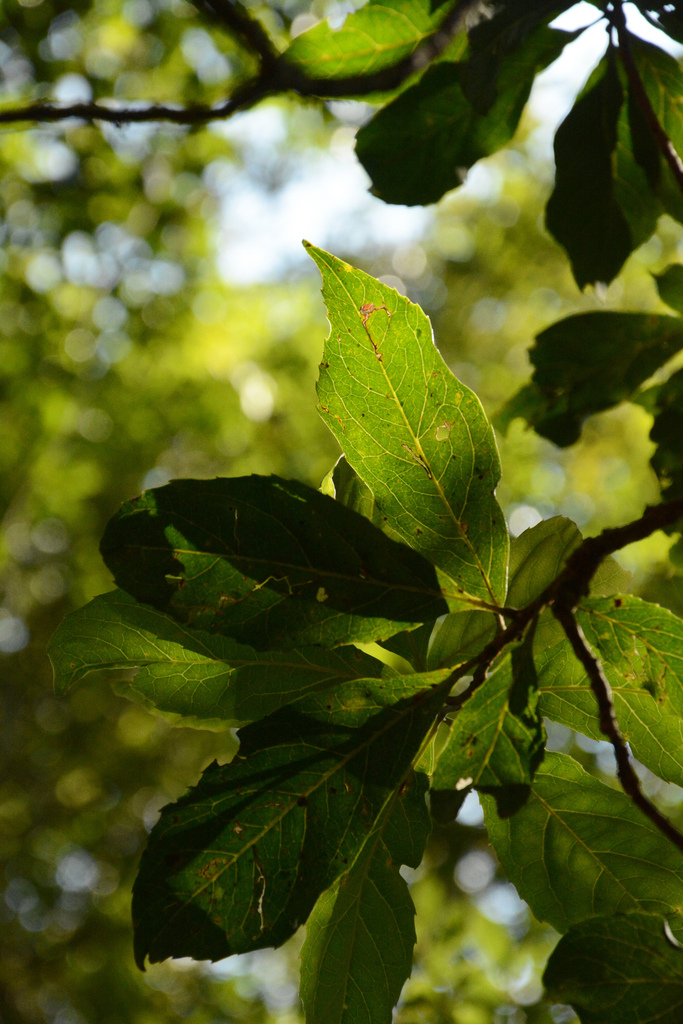
Helicia nilagirica
- Origin
- Asia
- Part used
- See detailed notebook
- Tradition
- Traditional ethnobotany
A discreet tree of Asia's mountain forests, Helicia nilagirica belongs to the Proteaceae family and grows particularly in the Himalayan regions and the hills of southern India. Local communities have long attributed a few modest uses to it, passed down more through oral tradition than detailed ancient texts. Little studied outside its native range, this plant remains surrounded by knowledge that is essentially local and empirical.
Traditional uses
Traditional care for skin conditions
In certain village practices of South Asia, the bark or leaves were reportedly applied locally to soothe skin irritation or minor wounds.
Local use against pain
Preparations made from leaves or bark were traditionally used as an external application to relieve joint or muscle pain.
Occasional traditional digestive use
Some ethnobotanical sources report an occasional use of bark decoctions to help with mild digestive troubles, though this use is not widely documented.
What to know before use
The traditional uses of Helicia nilagirica are scientifically poorly documented; caution is advised before any use. Avoid any use in pregnant or breastfeeding women, for lack of sufficient safety data. Do not give to young children without the advice of a health professional. Consult a health professional or qualified herbalist before any use, particularly if undergoing medication treatment.
The detailed notebook
- Prepared as a paste or decoction
- Traditional duration of use
- Known contraindications
- Related species and their uses
Where to find it
Partner herbalists — available with the detailed notebook.
Sources
Wikipedia