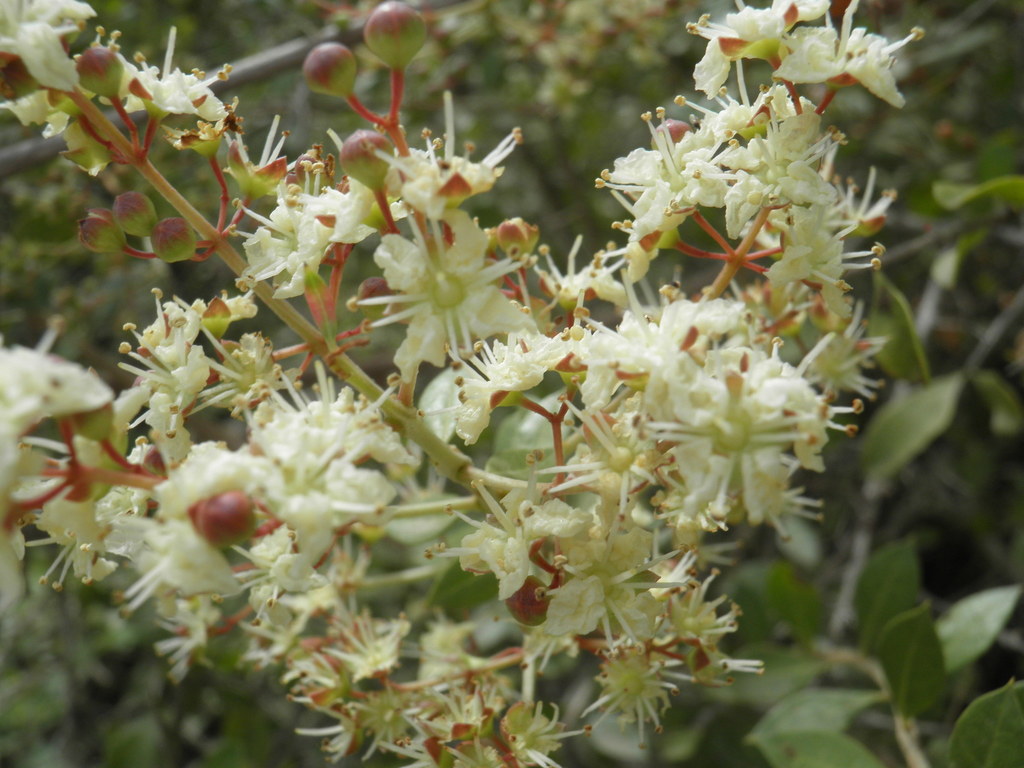
Henna
- Origin
- Middle East
- Part used
- See detailed notebook
- Tradition
- Traditional ethnobotany
From ancient Egypt to the lands of the Levant and the Maghreb, henna has accompanied beauty rites and life's great milestones. Its dried, powdered leaves served as much to adorn the skin and hair as to soothe certain everyday ailments. A symbol of celebration and protection, this Middle Eastern plant holds a special place in the notebooks of traditional herbalism.
Traditional uses
Coloring and hair care
Henna leaf powder, diluted into a paste, is traditionally used to color and strengthen the hair, giving it highlights and shine.
Skin refreshment
Applied as a poultice, henna was traditionally used to soothe certain mild skin irritations and cool the feet and hands during great heat.
Ritual ornamentation
Used during weddings and traditional celebrations, henna traces patterns on the skin considered to carry good fortune and protection.
Traditional care for the extremities
Leaf decoctions were sometimes used as a foot bath for their traditional toning effect on tired skin.
Before you use it
Never confuse natural henna with "black henna," which often contains paraphenylenediamine (PPD), responsible for sometimes severe allergic reactions. Not advised for people with a G6PD deficiency (favism), as skin or internal use may cause hemolysis. Avoid any internal use without the advice of a health professional, as the plant is traditionally used only externally. Perform a preliminary skin test and avoid application to broken skin or in young children.
The detailed notebook
- Prepared as a paste or decoction
- Traditional duration of use
- Known contraindications
- Related species and their uses
Where to find it
Partner herbalists — available with the detailed notebook.
Sources
PFAF