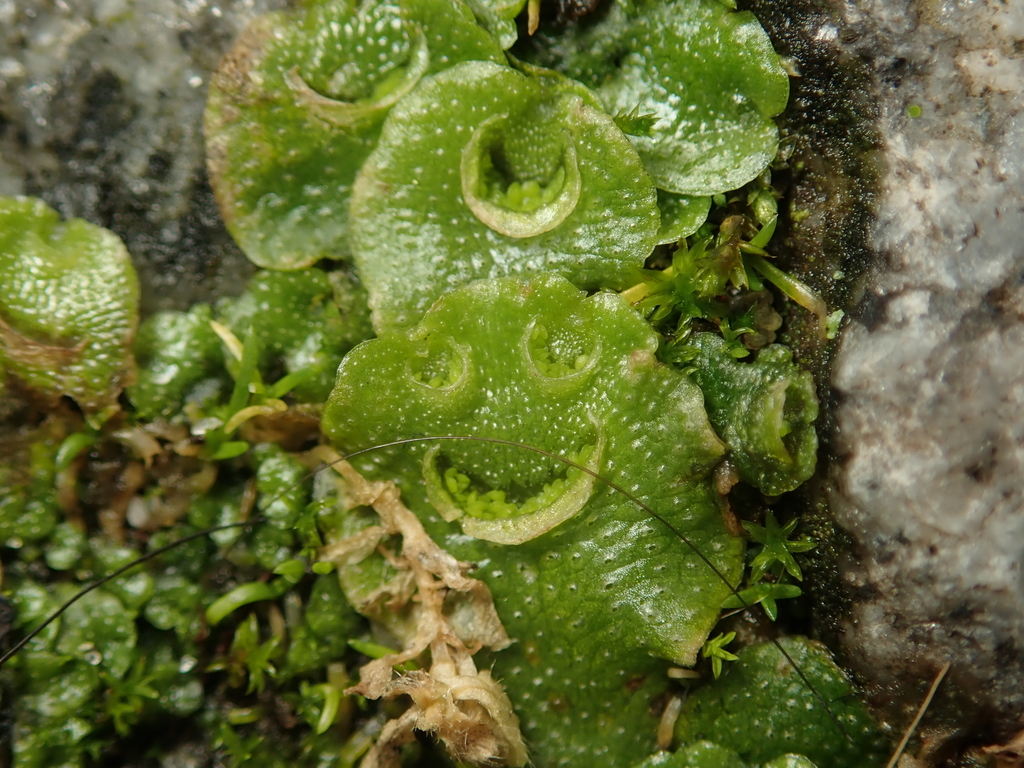
Hepatica
- Origin
- Europe
- Part used
- See detailed notebook
- Tradition
- Traditional ethnobotany
Unassuming beneath the still-bare canopy of early spring, Hepatica (Hepatica nobilis) unfurls its blue-violet blooms among the fallen leaves, even before fine weather returns. Its very name, inherited from ancient Greek, recalls the shape of the liver that its three-lobed leaves suggested to the old herbalists, who saw in it a sign of natural purpose. In old notebooks, it appears among the simples used discreetly, both for the liver and for the airways.
Traditional uses
Traditional support for the liver
According to the doctrine of signatures and old folk use, Hepatica was taken as a mild tea to support liver and digestive function.
Soothing for the airways
Herbalists of old credited it with soothing properties for coughs and mild bronchial irritation, taken as a mild infusion.
Soothing external use
As a compress, the plant was sometimes applied to superficial wounds or skin irritations, following old village practices.
Spring cleansing tradition
It was included in certain so-called "spring cures," traditionally meant to cleanse the body after winter.
Before you use it
The fresh plant contains irritant substances (protoanemonin) that can cause skin and digestive irritation; it must be dried before any use. Use is discouraged for pregnant or breastfeeding women, as well as children, in the absence of sufficient safety data. Do not exceed short courses, and consult a health professional or qualified herbalist before any internal use. If undergoing medical treatment or in case of liver disease, prior medical advice is essential.
The detailed notebook
- Prepared as a paste or decoction
- Traditional duration of use
- Known contraindications
- Related species and their uses
Where to find it
Partner herbalists — available with the detailed notebook.
Sources
PFAF