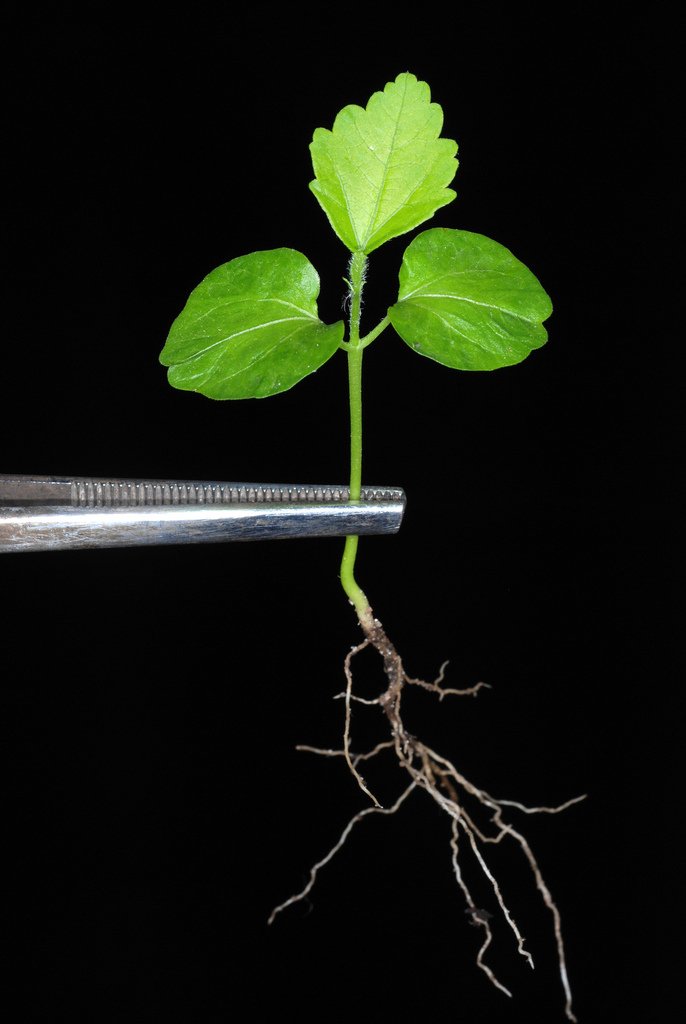
Hibiscus syriacus
- Origin
- Asia
- Part used
- Leaves, Flowers, Stem
- Tradition
- Traditional ethnobotany
Native to East Asia, the Rose of Sharon has for centuries adorned gardens and hedges, its generous blooming marking the passage of summer. In the folk traditions of the Far East, its flowers, leaves, and bark found a discreet place in domestic uses, somewhere between body care and common-sense remedies. This old shrub, today mostly ornamental, thus retains the trace of a simple knowledge passed down from generation to generation.
Traditional uses
Soothing irritated skin
The leaves and flowers were traditionally used in Asia as a poultice or wash to soothe overheated or irritated skin.
Mild digestive comfort
In China and Korea, a light infusion of dried flowers sometimes accompanied meals, aimed at digestive comfort after eating.
A traditional refreshing drink
The dried flowers of Hibiscus syriacus were used, like other hibiscus species, to prepare refreshing herbal teas enjoyed during the hot seasons.
Traditional hair care
The mucilage drawn from the leaves and stem bark was used, in certain regions of Asia, to make traditional hair preparations, particularly to soften and detangle.
What to know before use
Avoid any prolonged or high-dose use without the advice of a health professional, as safety data are limited. As a precaution, avoid in pregnant or breastfeeding women, for lack of sufficient documentation. Do not give to young children without medical advice. If undergoing medication treatment, seek advice before any use, particularly for concentrated preparations.
The detailed notebook
- Prepared as a paste or decoction
- Traditional duration of use
- Known contraindications
- Related species and their uses
Where to find it
Partner herbalists — available with the detailed notebook.
Sources
Wikipedia